



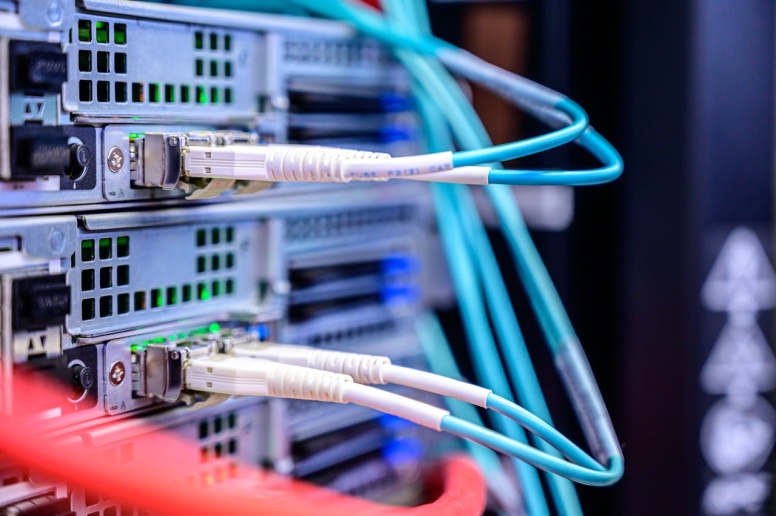
How Edge Computing Reshapes the World of Modern Technology
Edge computing has quickly become one of the most influential shifts in how data is processed, stored, and acted upon. Instead of relying entirely on far-off cloud servers, this model pushes processing closer to the source — to the “edge” of the network. That subtle change unlocks massive advantages in speed, responsiveness, and reliability.
For both everyday users and industry giants, the effects are already visible, from smoother streaming to safer factory floors. The concept may sound highly technical, but its importance rests in very human terms: faster answers, smarter systems, and better decisions made in real time.
What is edge computing?
For anyone new to the idea, a clear definition of edge computing frames it as a decentralized system where devices process data near the point of creation rather than routing everything through distant servers. This allows businesses and consumers to sidestep bottlenecks that slow down centralized models. It’s not about replacing the cloud but about working alongside it, letting local devices filter and act before escalating to larger infrastructure. A self-driving car, for instance, can’t afford to wait on a distant server to decide whether to brake. That kind of logic has to happen right where the action is. The essence of edge lies in cutting the distance between observation and action.
Machine vision and industrial applications
One of the most striking use cases involves cameras and visual data. On a production line, milliseconds matter when identifying whether a product meets standards. Edge-based processors let systems analyze and respond on the spot, avoiding costly errors downstream. In these environments,you may want to check this out to see how industrial machine vision uses local computation to enforce precision. Without this immediacy, inspections would lag behind production, allowing defects to slip through. With edge in place, accuracy rises while rework costs fall. Machine vision proves why processing near the source isn’t optional — it’s the only way to keep pace.
The role of IoT and 5G
Edge becomes even more powerful when paired with other innovations. The explosion of IoT devices means billions of sensors and machines are producing nonstop data, which the cloud alone can’t handle. As a result, edge computing paired with private 5G networks has become the backbone of enterprise systems that demand both reliability and responsiveness. Logistics firms can reroute shipments on the fly, hospitals can monitor patients continuously, and cities can adjust traffic signals in real time. The combination of high-speed connectivity and local computation creates a feedback loop of efficiency. Together, IoT and 5G make edge computing not just useful but indispensable.
Real-world use in manufacturing

Manufacturing showcases how edge turns theory into results. Connected machines and sensors analyze streams of data on-site, adjusting production without waiting for central approval. At the same time, case studies from manufacturers maximizing edge reveal how companies have cut downtime and improved efficiency. A faulty motor can trigger predictive maintenance before it fails, while computer vision identifies quality issues in real time. These advances protect revenue and reputation simultaneously. Edge in this context isn’t just about modern technology; it’s about creating factories that learn and adapt as they operate. The outcome is leaner, smarter manufacturing with less waste and fewer surprises.
The benefit of speed and lower latency
The biggest practical win is speed, and how latency is dramatically reduced has ripple effects across countless industries. Gamers notice smoother play, traders see faster execution, and doctors get instant data from patient monitors. Autonomous vehicles can respond within milliseconds instead of tenths of a second, which can mean the difference between a safe stop and an accident. Virtual reality becomes more immersive when the lag is eliminated, turning disjointed simulations into convincing experiences. Even in entertainment, streaming feels seamless when latency shrinks. Every sector that depends on time-sensitive responses gains a new layer of reliability from edge computing.
Security and privacy advantages
Edge computing is also changing how sensitive information is handled. Instead of sending every detail across networks, it allows organizations to focus on keeping sensitive data locally, reducing exposure to interception. That structural choice adds resilience for industries bound by strict compliance rules. Healthcare organizations can keep patient records closer to the point of care, while financial firms protect transactions by minimizing how far they travel. Laws like GDPR and HIPAA become easier to respect when less data crosses borders. By shrinking the attack surface, edge doesn’t just speed things up — it makes the entire system more trustworthy. The future of data governance may rest as much on geography as on encryption.
Challenges and lessons learned
Despite the hype, deployment isn’t always smooth. Companies often underestimate costs, complexity, or the need for specialized skills to manage distributed systems. This is why lessons learned in deploying edge systems are worth studying before diving in. Some firms discovered their pilots consumed more resources than expected, while others misaligned projects with strategic goals. The takeaway is clear: edge computing must be tied to real business outcomes, not just technology enthusiasm. Teams that succeed plan carefully, start small, and scale as benefits prove themselves. When managed this way, the challenges become stepping stones rather than roadblocks.
Edge computing is more than another tech trend — it represents a fundamental reorganization of where digital intelligence resides. By putting computation closer to the source, it speeds responses, reduces vulnerabilities, and makes modern systems more adaptive. Manufacturing lines spot defects in real time, healthcare monitors patients continuously, and smart cities adjust dynamically to shifting conditions. With IoT and 5G pushing even more intelligence outward, the edge is set to become the norm rather than the exception. Businesses that embrace it intentionally will be the ones shaping how technology serves people in the coming decade. The shift to the edge is already here, and it’s accelerating.
Unlock the full potential of your web design projects by visiting Web Yurt, your ultimate destination for cutting-edge resources and expert insights in web development and graphic design.






0.2418