



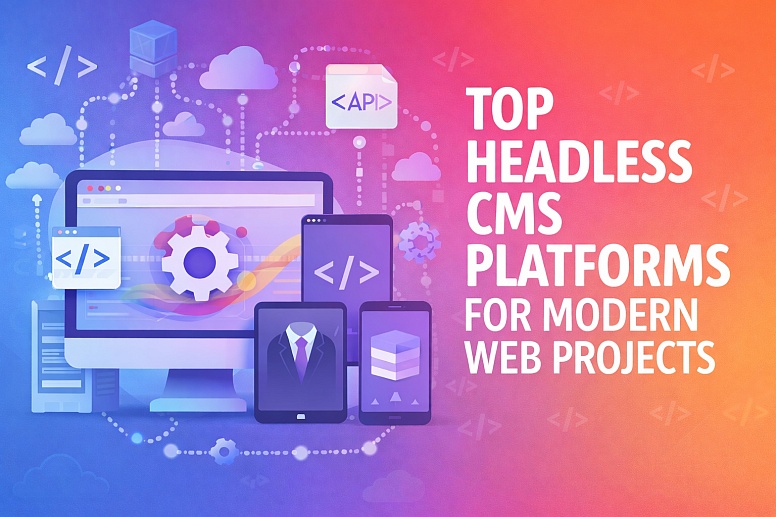
7 Top Headless CMS Platforms for Modern Web Projects
Modern web development has evolved far beyond traditional, monolithic content management systems. Today’s digital products are expected to work seamlessly across multiple platforms—websites, mobile apps, smart devices, and even emerging channels like AR and voice assistants. This shift has created the need for more flexible and scalable content infrastructures.
This is where headless CMS platforms play a crucial role. A headless CMS decouples the backend content management system from the frontend presentation layer. Instead of rendering content directly into web pages, it delivers content through APIs such as REST or GraphQL, allowing developers to use any frontend framework or device to display that content.
For modern web projects, this architecture offers several advantages:
- Technology freedom across frameworks
- Omnichannel content delivery
- Better performance and caching
- Easier scalability
We will take a look at the seven best headless CMS platforms for modern web development, analyzing their features, strengths, limitations, and ideal use cases.
Contentful
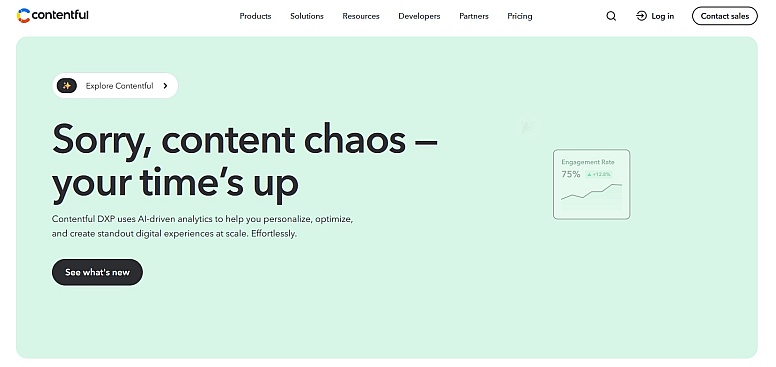
Contentful is one of the most established enterprise-grade headless CMS platforms. It focuses on structured content modeling and API-first delivery, allowing organizations to manage large volumes of content across multiple digital products from a single system.
Key Features
- REST and GraphQL APIs
- Advanced content modeling
- Global CDN
- Webhooks and integrations
- Role-based access control
- Enterprise security and compliance
Pros: Highly reliable and scalable, trusted by major global brands. Excellent documentation and ecosystem support.
Cons: Pricing becomes expensive at scale. Interface may feel complex for non-technical users.
Best Use Cases
- Enterprise websites
- SaaS platforms
- Multi-language systems
- Large editorial teams
Strapi
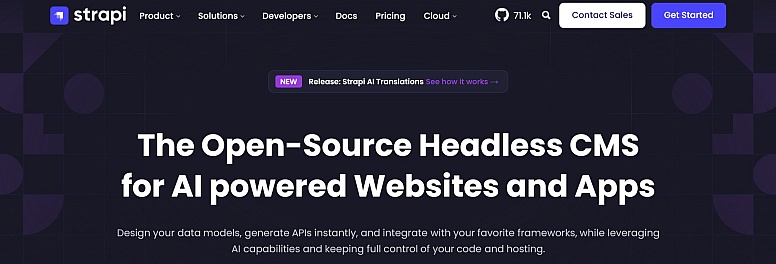
Strapi is an open-source headless CMS built with Node.js that can be self-hosted or deployed in the cloud. It gives developers complete control over infrastructure, data, and customization.
Key Features
- Open-source architecture
- REST and GraphQL APIs
- Plugin system
- Custom admin dashboard
- Supports SQL and NoSQL databases
- Role and permission management
Pros: No vendor lock-in, fully customizable, strong developer community.
Cons: Requires backend maintenance and DevOps knowledge. Scaling is your responsibility.
Best Use Cases
- Startups and MVPs
- Custom applications
- Developer-first teams
- Projects requiring data ownership
Sanity
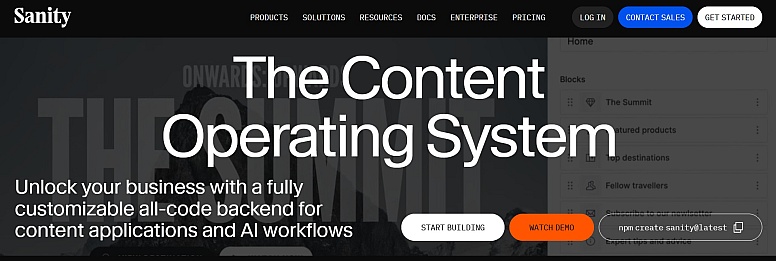
Sanity treats content as structured data and offers a highly flexible schema system. It is known for real-time collaboration and deep customization of content workflows.
Key Features
- Real-time collaboration
- Customizable content studio
- Structured schemas
- GROQ query language
- Asset pipelines
- Cloud infrastructure
Pros: Extremely flexible, excellent for complex editorial systems, fast APIs.
Cons: Steeper learning curve. GROQ is unfamiliar to many developers. Pricing scales with usage.
Best Use Cases
- Content-heavy platforms
- Editorial teams
- Design systems
- JAMstack websites
Hygraph
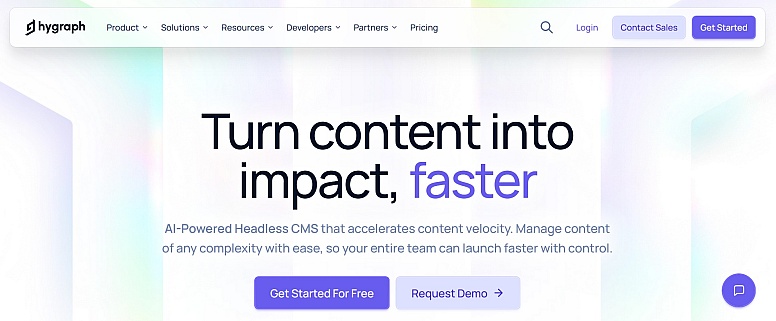
Hygraph is a GraphQL-native headless CMS designed for API-driven and data-rich applications. It is built specifically for modern, composable architectures.
Key Features
- Native GraphQL API
- Content federation
- Localization support
- Asset management
- Webhooks and integrations
- Advanced permissions
Pros: Best-in-class GraphQL experience, excellent for complex data relationships.
Cons: Limited REST support. More technical for beginners.
Best Use Cases
- GraphQL-first applications
- Enterprise platforms
- Microservices architectures
- Data-heavy systems
Prismic
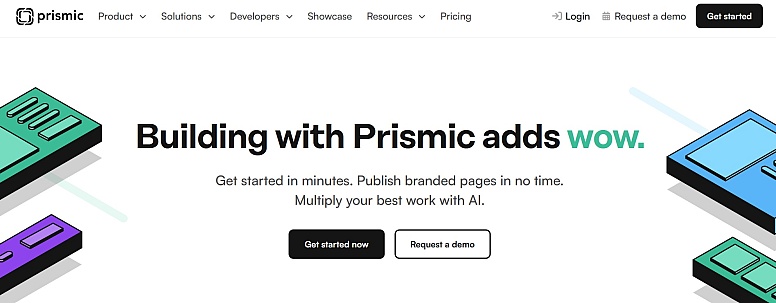
Prismic is a headless CMS focused on simplicity and content editing experience. It uses a modular “slice” system that allows marketers to build pages without developer involvement.
Key Features
- Slice-based content blocks
- REST and GraphQL APIs
- Visual editor
- Preview mode
- Image optimization
- Framework integrations
Pros: Very user-friendly, fast setup, excellent for marketing teams.
Cons: Limited backend customization and less suitable for complex applications.
Best Use Cases
- Marketing websites
- Blogs and portfolios
- Small business sites
- Landing pages
Storyblok
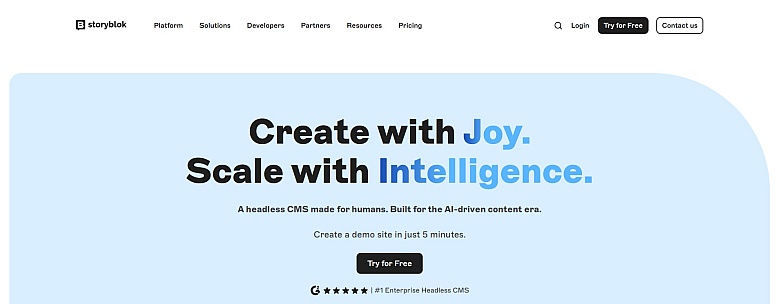
Storyblok combines structured content with a powerful visual editor, enabling real-time previews of content changes. It is designed to improve collaboration between developers and marketers.
Key Features
- Visual editor with live preview
- Component-based content
- REST and GraphQL APIs
- Multilingual support
- Asset management
- Role-based permissions
Pros: Excellent editorial experience, strong visual workflow, and developer-friendly.
Cons: Pricing can be high for teams. Requires frontend configuration for previews.
Best Use Cases
- Brand websites
- Marketing platforms
- Design systems
- Content-driven products
Ghost
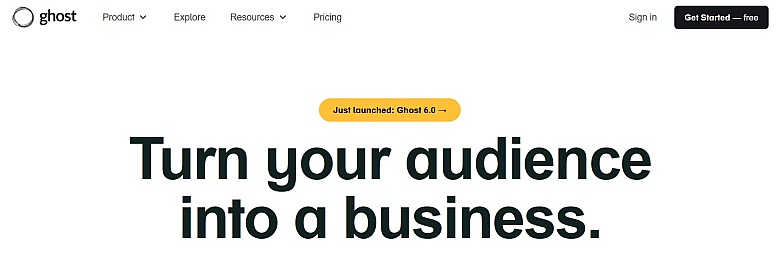
Ghost is a publishing-focused headless CMS that excels in content delivery, SEO, and monetization. When used in headless mode, it provides APIs for frontend frameworks while maintaining its powerful publishing tools.
Key Features
- Content and Admin APIs
- Membership and subscriptions
- SEO tools
- Markdown editor
- Built-in newsletters
- Open-source core
Pros: Excellent for content creators, built-in monetization, and high performance.
Cons: Limited content modeling and not suitable for complex systems.
Best Use Cases
- Blogs and magazines
- Creator platforms
- Newsletter businesses
- Subscription sites
Headless CMS platforms are now a foundational part of modern web development. They enable flexible architectures, faster performance, and seamless content delivery across devices and channels.
Each platform serves a different strategic need:
- Contentful and Hygraph for enterprise scale
- Strapi and Sanity for developer control
- Prismic and Storyblok for marketing teams
- Ghost for publishing and monetization
Choosing the right headless CMS is ultimately about aligning your technical requirements, team structure, and business goals. When selected correctly, a headless CMS becomes a long-term asset that supports growth, experimentation, and future digital innovation.
LEAVE A COMMENT





0.2639