



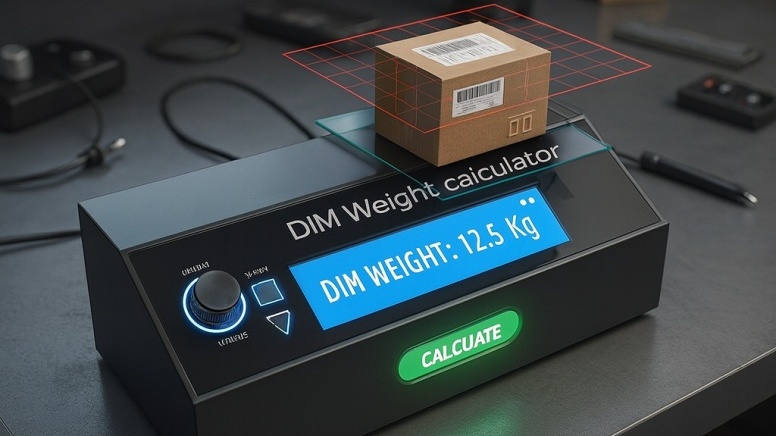
Why DIM Weight Matters More Than Ever
For high-volume shippers, every package moving through the supply chain impacts cost, efficiency, and profitability. Yet many businesses still underestimate the effect of dimensional weight, a pricing method used by major carriers to determine shipping fees based on package size rather than actual weight.
A DIM weight calculator bridges this gap. It helps shippers understand the true cost of shipping before the label is printed, preventing unnecessary fees and optimizing packaging decisions. If your business ships frequently, especially large or lightweight orders, this tool becomes a critical part of your workflow.
Carriers Are Prioritizing Space Over Scale
Carriers like UPS, FedEx, and DHL now charge based on whichever is greater:
- Actual Weight
- DIM Weight (L × W × H ÷ DIM divisor)
This means even a light product can attract high shipping costs if packed inefficiently.
The Rise of Oversize and Volume-Based Charges
High-volume shippers often face:
- Unexpected oversized surcharges
- Increased last-mile delivery fees
- Penalties for inaccurate measurements
- Significant annual cost leaks due to miscalculated DIM weight
A DIM weight calculator eliminates guesswork and ensures accuracy before dispatch.
How a DIM Weight Calculator Helps High-Volume Shippers
Prevents Costly Shipping Surprises
Shipping costs spike when:
- A package is larger than estimated
- DIM weight exceeds actual product weight
- Labels are generated based on incorrect dimensions
Using a DIM weight calculator safeguards you from sudden carrier adjustments.
Key Benefits
- Accurate shipping cost predictions
- Transparency in rate comparison
- Lower risk of post-shipment billing corrections
Improves Packaging Choices
For high-volume operations, packaging is a daily decision—not a one-time fix.
A DIM weight calculator helps you:
- Identify when a box is too big for the product
- Choose the lowest-cost box size
- Reduce filler materials like bubble wrap
- Minimize wasted space in trucks and containers
Long-Term Impact
- Lower material usage
- Better sustainability scores
- Leaner, smarter packaging workflows
Enhances Profit Margins on Each Shipment
Profit per order drops quickly when shipping costs rise. A DIM weight calculator helps companies:
- Set accurate product prices
- Adjust free-shipping thresholds
- Improve margins for large or lightweight items
- Understand how packaging changes affect cost
For high-volume shippers, small savings per package multiply into major annual gains.
Helps Teams Standardize Workflow
Large shipping teams often struggle with measurement inconsistencies.
A calculator creates consistency by:
- Standardizing dimensional entries
- Reducing manual errors
- Allowing new staff to understand costs instantly
- Creating a uniform method across packing stations
This helps keep operations smooth, even during peak seasons.
Increases Carrier Negotiation Power
Carriers negotiate better rates when shippers understand their package profiles.
With DIM insights, you can negotiate based on:
- Average box size
- DIM weight patterns
- Shipment volume distribution
- Packaging efficiency metrics
This is especially valuable for brands shipping thousands of orders each month.
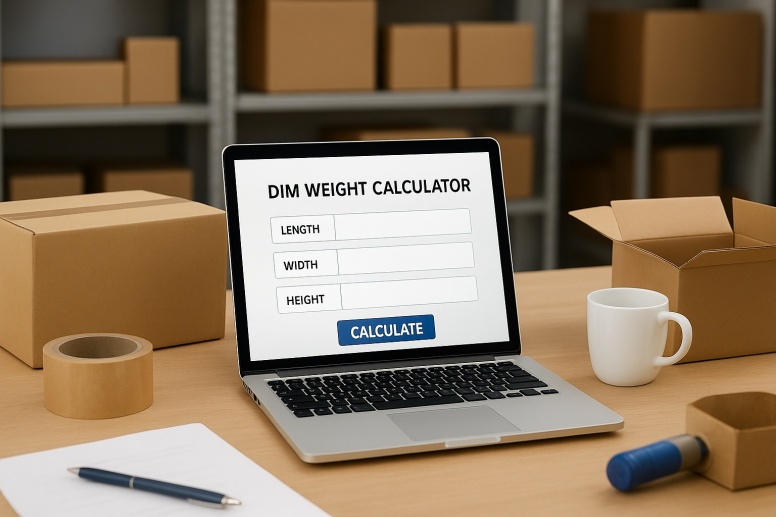
Practical Examples Where DIM Weight Calculators Save Money
Scenario 1: Lightweight, Bulky Products
Items like pillows, snack boxes, soft toys, or apparel often have low actual weight but large packaging dimensions.
Result: DIM weight becomes the cost driver, not the product weight.
A quick calculation helps determine if a smaller box or vacuum-sealed packaging reduces charges.
Scenario 2: High-Volume Exporters
International DIM regulations vary. Without proper calculation:
- Exporters pay unnecessary surcharges
- Customs paperwork becomes inaccurate
- Last-mile fees increase
A DIM calculator ensures correct estimations across destinations.
Scenario 3: Fulfillment Centers Handling Multiple SKUs
When dealing with hundreds of SKUs:
- Every product has different size patterns
- Picking teams choose boxes quickly
- Mistakes become common
A DIM calculator helps choose the right box size for each unique SKU, reducing cost leaks.
How to Encourage Your Team to Use a DIM Weight Calculator
1. Integrate It Into Daily Routine
Add the calculator link or tool:
- At each packing station
- Inside your order management system
- In staff SOPs
2. Train Staff on Cost Impact
Show the difference between:
- A correct measurement
- An incorrect measurement
- An oversized box choice
Visual examples make teams take DIM weight seriously.
3. Track Before-and-After Savings
Record shipping costs before implementing the calculator.
Then compare monthly cost reductions.
This helps justify consistent use.
Why High-Volume Shippers Can't Afford to Skip It
A DIM weight calculator helps you:
- Avoid hidden carrier fees
- Optimize packaging daily
- Improve profitability
- Reduce operational waste
- Increase accuracy across teams
- Make shipping predictable and scalable
With tighter margins, rising carrier fees, and shrinking warehouse space, every inch and every dollar counts. Using a DIM weight calculator isn’t optional—it’s a necessity.
If you’re shipping hundreds or thousands of packages every month, a DIM weight calculator instantly becomes one of the most valuable tools in your shipping toolkit. It empowers teams, reduces costs, and helps brands stay profitable in an environment where carriers continue to prioritize volume-based pricing.
Add it to your workflow, share it with your team, and encourage partners or clients to use it as well. The more precise your dimensional data, the more control you have over your bottom line.
As ecommerce brands scale, the role of smart shipping tools becomes just as critical as website optimization or checkout performance. A DIM weight calculator isn’t just a logistics add-on—it’s a backend efficiency upgrade that directly impacts customer experience and profit margins.
By integrating accurate dimensional data into your ecommerce platform, you ensure real-time shipping estimates, reduce abandoned carts caused by unexpected costs, and give your fulfillment team the precision they need to operate efficiently. For high-volume stores, it’s one of those quiet technical enhancements that delivers measurable ROI across operations.







0.2829