



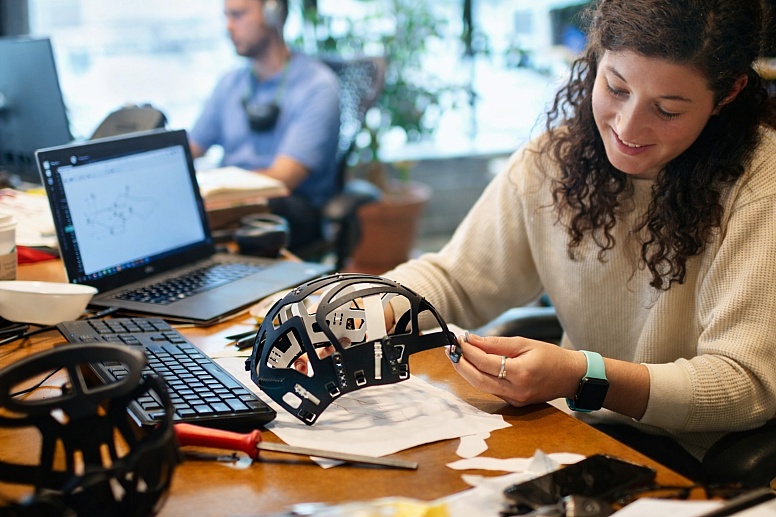
Prototyping Early Matters: From Concept to Working Device
Starting from just an idea isn't always easy, especially when you’re entering product development for the first time. Sites that focus on tech tools often show how thoughtful design choices cut down mistakes while making things move faster. Picking the right moment to build a first model matters a lot. These rough versions reveal problems to expect. Still, finding them early keeps stress low and saves on potential expenses.
When Ideas Leave the Whiteboard
Concepts look tidy on screens and slides, yet reality rarely plays along. The moment an idea becomes physical, it starts pushing back. Dimensions feel off. Heat builds faster than expected. Parts that seemed perfect suddenly conflict. Issues may appear in initial versions, but changes can still occur.
Working with a trusted China PCB turnkey assembly supplier helps teams confirm if the first models reflect how things will work once made at scale. Instead of guessing, this step brings hard facts; it turns hunches into solid insights using real data. This stage replaces assumptions with evidence and transforms conjecture into well-informed conclusions.
Prototyping Saves Time, Even When It Feels Slow
Some folks still think making prototypes takes too much time. In practice, skipping it often causes long detours later. A rushed design may sail through planning, only to stall when minor flaws stack up. A connector placed a few millimetres off can trigger redesigns that ripple across an entire device.
Early models identify issues before they become serious. Taking time now helps you later, especially when pressure builds close to launch.
Feedback Hits Harder When It Is Physical
People respond differently when they can touch something that works, or almost works. A sketch invites polite nods. A prototype invites honest reactions. Engineers spot inefficiencies. Users point out friction. Stakeholders ask sharper questions.
Early physical models create conversations grounded in reality rather than speculation. That feedback may sting, but it sharpens the product faster than abstract debates ever could.
Cost Control Starts Before Production
Budgets rarely collapse due to a single massive mistake. They erode through minor oversights repeated at scale. Prototyping early helps catch those oversights before they multiply.
Changing how something is built is much cheaper than redoing it once molds are made or large shipments begin. Trying things out at first tells you what’s working and what isn’t. That means energy goes into fixing real issues rather than guessing.
From Prototype to Product Without Losing Momentum
Early prototypes do more than test functionality. They build confidence. Teams gain more precise documentation, steadier designs, and fewer last-minute surprises. Manufacturing conversations become more productive when expectations are aligned earlier. Instead of scrambling to fix issues under pressure, development moves forward with intent. Momentum stays intact because the path ahead feels visible and achievable.
Clarity Over Comfort
While the stakes are still minimal, early versions identify these issues. In the moment, iteration seems slower, but as deadlines approach, it stops panicked rewrites. That discomfort is useful. It pushes teams to confront tradeoffs, prioritize features, and accept limits while change is still possible.
Comfort usually signals delay. Clarity signals progress. Devices shaped through early testing feel more intentional and less reactive by the time production begins.
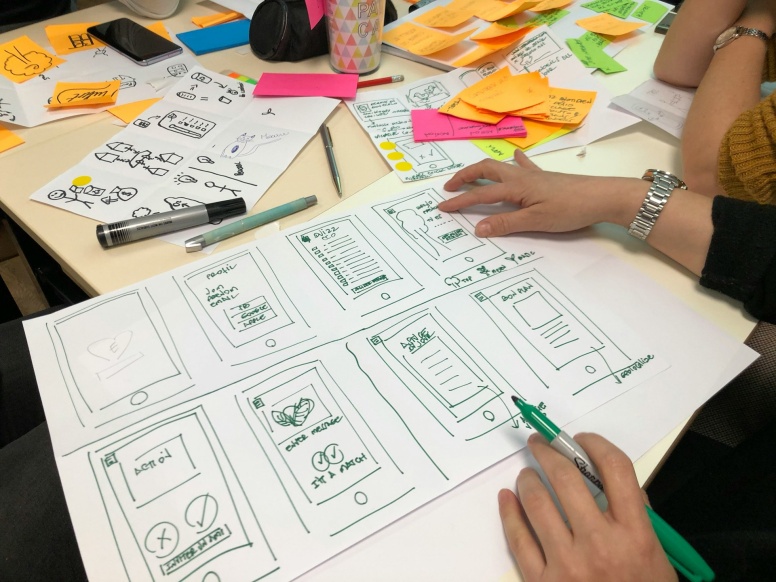
Small Wins Add Up
Each prototype creates a small win, even when it fails. Lessons accumulate quickly. Confidence grows quietly. Teams stop guessing and start knowing. That shift changes how problems are approached and how quickly solutions emerge under pressure.
The goal of prototyping early is not perfection. It is clarity. Each early build answers questions before they become problems and replaces stress with understanding. Devices that reach production after thoughtful prototyping tend to arrive stronger, more reliable, and with fewer regrets along the way, consistently.






0.2597