



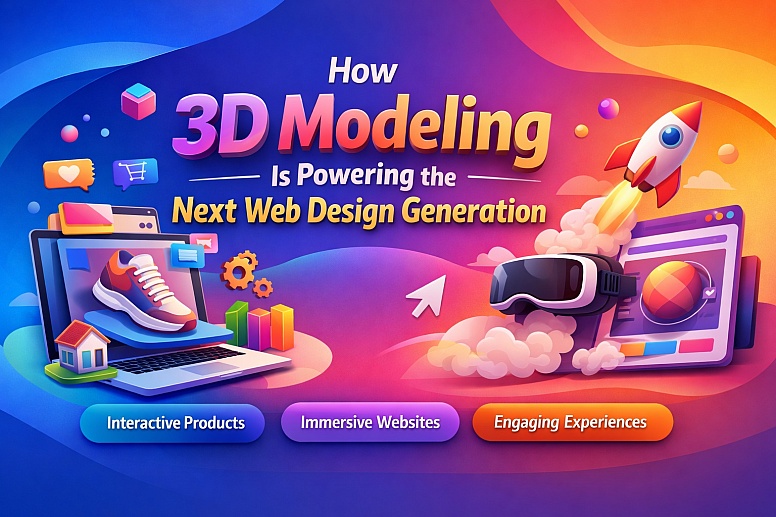
How 3D Modeling Is Powering the Next Web Design Generation
The modern web is no longer flat. As user expectations rise and digital competition intensifies, businesses across the United States are searching for new ways to stand out online. One technology is quietly reshaping how websites look, feel, and perform: 3D modeling.
Once limited to animation studios and engineering firms, 3D modeling has become a practical tool for web design, product visualization, and digital storytelling. Today, startups, e-commerce brands, SaaS companies, and creative agencies across the USA use 3D visuals to build richer, more interactive experiences that capture attention and drive engagement.
This shift has also increased demand for reliable 3D modeling services in the USA, especially for businesses seeking professional results without building in-house 3D teams.
Why Web Experiences Are Moving Beyond 2D
For years, web design relied on static images, flat icons, and simple animations. While those elements still matter, they no longer deliver the level of engagement users expect.
Modern users want:
- Interactive product views
- Realistic visual previews
- Smooth animations that respond to input
- Experiences that feel closer to apps than websites
3D modeling enables all of this. By adding depth, realism, and interaction, 3D elements transform websites from information pages into immersive digital environments.
In the US market—where competition is fierce, and attention spans are short—this difference matters.
What 3D Modeling Means for Web and Digital Products
3D modeling is the process of creating three-dimensional digital objects that accurately represent real-world or conceptual items. In web and digital contexts, these models are optimized for performance and interactivity.
When used correctly, 3D models allow users to:
- Rotate and inspect products
- Visualize designs before production
- Interact with digital elements in real time
- Understand complex products instantly
For US-based businesses, this capability improves clarity, builds trust, and increases conversion rates—especially in e-commerce, SaaS, real estate, and product-focused platforms.
Key Use Cases Driving Demand in the USA
1. E-Commerce and Product Visualization
US e-commerce brands increasingly rely on 3D product models instead of—or alongside—traditional photography. A single 3D model can replace dozens of static images while offering a better user experience.
Shoppers can explore products from every angle, zoom into details, and feel more confident before buying. This approach often leads to:
- Higher conversion rates
- Lower product return rates
- Stronger brand perception
Because of this, many online brands now actively search for 3D modeling services in the USA that understand both visual quality and web performance.
2. SaaS, Startups, and Landing Pages
Technology companies use 3D visuals to explain abstract ideas, complex workflows, or digital products that don’t physically exist. Animated 3D elements help:
- Simplify onboarding explanations
- Improve storytelling on landing pages
- Create memorable first impressions
In competitive US startup ecosystems, visual clarity can influence whether a user signs up—or leaves.
3. Web Design and Interactive Portfolios
Design agencies and creative professionals in the USA use 3D modeling to showcase their capabilities. Interactive portfolios demonstrate not only creativity but also technical depth.
Websites with subtle, well-optimized 3D elements often feel more premium and modern, helping agencies attract higher-value clients.
Also Read: How to Automate Photorealistic 3D Model Generation from 2D Product Photos
The Technology Making 3D on the Web Possible
Modern browsers and devices now support real-time 3D rendering using technologies like WebGL and JavaScript libraries such as Three.js and Babylon.js. These tools allow developers to embed 3D models directly into web pages without plugins.
At the same time, improvements in hardware—especially GPUs and mobile processors—mean users can experience smooth 3D interactions across desktops, tablets, and smartphones.
Because of these advances, 3D modeling is no longer experimental. It’s production-ready and scalable for US-based digital products.
Performance Matters: Why Professional Modeling Is Important
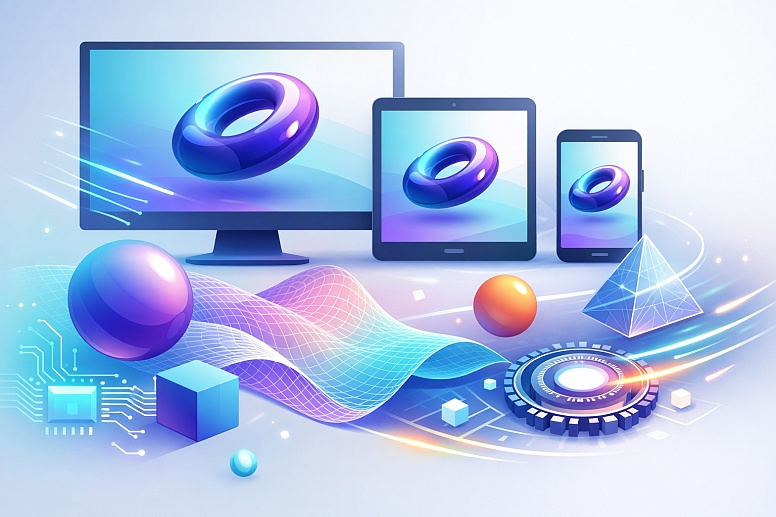
One of the biggest mistakes companies make is assuming that any 3D model will work well on the web. Poorly optimized models can slow down pages, hurt SEO, and frustrate users.
Professional 3D modeling services in the USA focus on:
- Optimized geometry and textures
- Lightweight file formats
- Performance-friendly rendering
- Cross-device compatibility
This balance between realism and efficiency is critical, especially for businesses targeting US audiences, where speed, accessibility, and UX standards are high.
Why Many US Businesses Choose to Outsource 3D Modeling
Building an in-house 3D team requires time, tools, and specialized talent. For many companies, outsourcing makes more sense.
Professional 3D modeling partners offer:
- Faster turnaround times
- Industry experience across sectors
- Consistent quality
- Scalable production without long-term overhead
Companies like IT-S support US businesses by delivering high-quality 3D models designed specifically for digital and web use. Their focus on accuracy, optimisation, and real-world application helps brands seamlessly integrate 3D content into websites, apps, and product platforms.
For businesses actively searching for 3D modeling services in the USA, working with experienced providers reduces risk and accelerates results.
3D Modeling and SEO: An Overlooked Advantage
While 3D content itself isn’t directly indexed like text, it supports SEO indirectly by improving key performance metrics:
- Longer time on page
- Lower bounce rates
- Higher engagement
Search engines favor websites that deliver strong user experiences. When 3D models are implemented correctly—without harming load speed—they contribute to better overall site performance.
This makes professional modeling and optimization especially important for US businesses competing in crowded digital markets.
Accessibility and Responsible Design
As 3D becomes more common, responsible implementation matters. Good web design ensures that:
- 3D elements don’t block essential content
- Users can navigate without forced interaction
- Alternative content exists for accessibility
Professional 3D modeling services understand these considerations and design models that enhance—not replace—usability.
The Future of Web Design in the USA Is Interactive
Looking ahead, the US digital landscape will continue moving toward richer, more interactive experiences. As AR, immersive interfaces, and spatial design evolve, 3D modeling will become even more central to how users interact with content online.
Businesses that adopt 3D thoughtfully today position themselves ahead of competitors who still rely on flat, static visuals.
3D modeling is no longer a niche or experimental technology. It has become a practical, results-driven tool for web design, product visualization, and digital innovation—especially in the highly competitive US market.
From e-commerce to SaaS platforms, businesses across the country are turning to professional 3D modeling services in the USA to create engaging, high-performance digital experiences.
By working with experienced providers like IT-S, companies can integrate 3D content that looks great, performs well, and supports real business goals—without overcomplicating their workflows.
As the web continues to evolve, one thing is clear: the future isn’t flat, and the brands that embrace depth will stand out.




0.329