



Data-Driven Storytelling: Elevating Analytics Campaigns
Imagine turning every metric, click, and conversion into a story that captures your audience’s attention and drives real action. In today’s competitive digital landscape, raw numbers no longer inspire trust or spark interest.
By utilizing analytics for campaign storytelling and applying data-driven storytelling techniques, marketers can establish stronger connections and enhance campaign outcomes.
In this guide to data storytelling in marketing campaigns, you will learn how to create data-driven narratives by:
- Defining data-driven storytelling and its core components
- Integrating data analysis into content strategy from the start
- Choosing and designing visualizations that bring data to life
- Crafting narratives aligned with audience insights and objectives
- Measuring campaign success with analytics through dashboards and testing
- Exploring advanced extensions like predictive models and interactive experiences
Whether you are refining an existing initiative or building one from scratch, these best practices for data-driven campaigns will help you transform abstract numbers into memorable, actionable stories.
Let’s begin by defining what data-driven storytelling really means and why it matters for modern campaigns.
Defining Data-Driven Storytelling
What is Data-Driven Storytelling?
Data-driven storytelling, or creating data-driven narratives, merges quantitative insights with narrative techniques to engage audiences. It moves beyond assumptions to reveal patterns in customer behavior. This approach uses charts and interactive graphics to present complex findings clearly. By combining statistics with a structured plot (context, conflict, resolution), brands can highlight challenges and opportunities, turning data into insights that resonate and inspire action.
Key Components
- Data collection: Gather first-party records and verified sources to maintain integrity.
- Analysis: Identify trends, correlations, and actionable insights by integrating data analysis into content strategy.
- Visualization: Employ data visualization for storytelling, using charts and interactive graphics.
- Narrative: Craft a storyline with context, conflict, and resolution that aligns with audience needs.
Why It Matters for Modern Campaigns
Storytelling with marketing analytics builds authenticity and trust. Humans retain stories more effectively than raw figures, boosting recall and engagement. As global digital ad spending grew by over 10% in 2023, data-driven storytelling techniques have become essential to stand out. Benefits include:
- Targeted messaging: Segment data to tailor stories for specific demographics.
- Credibility: Use KPIs and transparent methods to validate claims.
- Optimization: Monitor performance in real time and refine narratives based on new insights.
- Real-time decisions: Adjust story elements quickly based on live metrics.
Integrating Data Analysis into Campaign Strategy
Properly integrating data analysis into content strategy begins before planning. By leveraging brand monitoring tools and collecting, cleaning, and interpreting data, you can shape campaigns that meet business goals.
Data Sources and Collection
Gather data from customer interactions, CRM records, web analytics, social media (using social media analytics tools), and purchase history. Focus only on metrics tied to objectives to reduce noise. Common methods include:
- API integrations for real-time updates
- Batch exports for historical context
- Tag management solutions for site behavior
- Third-party data providers for market benchmarks
Data Cleaning and Quality Assurance
Reliable insights start with clean data. Implement automated validation to catch missing or malformed entries. Use outlier detection to flag extreme values and deduplication workflows to remove repeats. Maintain metadata logs to track changes and support audits.
Best Practices for Data Integrity
- Define standard schemas and formats
- Schedule regular data audits
- Document correction and enrichment processes
Aligning Data Insights with Campaign Goals
Interpret analytics in the context of business objectives. Map findings to KPIs like conversion rates, cost per acquisition, and customer lifetime value. Conduct audience analysis by demographics and behavior, then use ROI tracking to identify top-performing channels. Present clear narratives of trends and correlations to guide strategy refinement.
Data Visualization Techniques for Storytelling
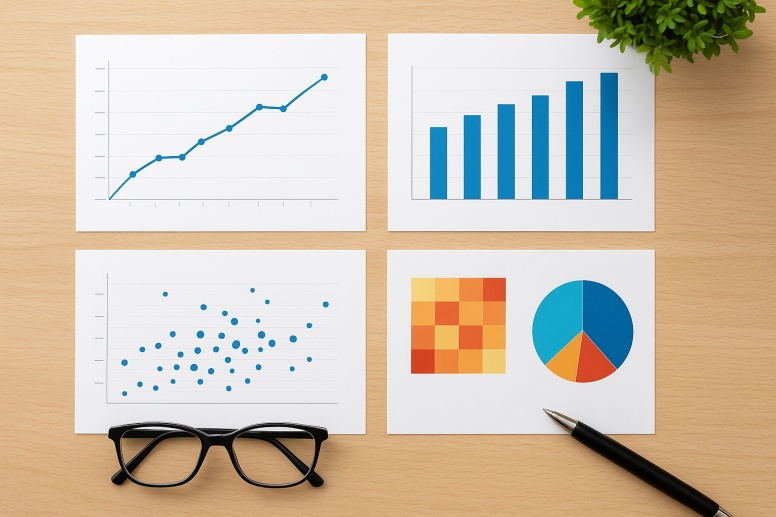
Effective data visualization for storytelling turns complex metrics into clear visuals. Well-chosen charts move the story forward and highlight key insights.
Selecting the Right Visualization
Match chart types to your narrative:
- Line charts for trends over time
- Bar charts for category comparisons
- Scatter plots for correlations
- Heat maps for dense patterns
- Pie or donut charts for simple share breakdowns
Every visual should serve the central narrative and avoid decorative clutter.
Design Best Practices
Color and Contrast
Use a limited palette and contrast to emphasize main data points.
Simplify and Focus
Remove gridlines and extra legends; label only what the audience must see.
Typography and Labeling
Choose clear fonts and size labels for readability on mobile devices. Ensuring visual accessibility improves comprehension for diverse audiences.
Tools
- Tableau: Offers story points to guide viewers through a data narrative.
- Power BI: Integrates with Microsoft tools and supports custom visuals.
- Google Data Studio: Provides fast setup and seamless sharing via web links.
Each platform supports real-time updates and interactive filters. Integrate visuals into reports or live dashboards to reinforce actionable insights.
Crafting Compelling Narratives with Analytics
Data-driven narratives, a core of storytelling with marketing analytics, fuse numbers with story to inspire action. By aligning analytics with audience insights, marketers deliver messages that resonate and drive results.
Segmenting Audiences for Targeted Stories
Divide your audience based on:
- Demographics (age, location, income)
- Behavior (purchase history, site interactions)
- Engagement (email opens, click patterns)
This segmentation guides which data points to highlight in each narrative.
Personalizing with Behavioral and Sentiment Data
Use behavioral analytics to uncover how users interact with content. Combine this with sentiment data to gauge emotions and preferences. Tailor messages to reflect motivators (eco-friendly features) and pain points (complex workflows). This level of personalization sharpens relevance and fosters deeper connections.
Three-Part Narrative Arc
- Exposition: Introduce context with key metrics and background trends.
- Conflict: Reveal challenges or anomalies uncovered by the data.
- Resolution: Present actionable solutions and forecasted outcomes.
This structure ensures data insights flow logically from context to action.
Measuring and Optimizing Campaign Performance
Defining Success Metrics
To measure impact, select KPIs that reflect each funnel stage and business goals. Only 23% of marketers are confident they track the right KPIs, underlining the need for clarity. Harvard Business School stresses tracking intermediate metrics to spot bottlenecks.
Awareness Stage
- Website traffic
- Ad impressions
Consideration Stage
- Time on site
- Pages per visit
- Social interactions
Decision Stage
- Conversion rate (conversions ÷ visitors × 100)
- Sales revenue
Real-Time Monitoring Dashboards
Real-time dashboards powered by streaming data update visualizations within seconds. This lets teams react to trends before they escalate. Key live metrics include:
- Orders placed per minute
- User logins in the last five minutes
- Average API latency
- Failed transaction counts
Iterative Testing and Optimization
Use A/B testing to compare single-variable changes and reach statistical significance. Employ multivariate tests to assess multiple elements. Apply multi-touch attribution models to evaluate channel impact and reallocate budgets. Regularly review test results to refine creatives, targeting, and spend, driving continuous improvement.
Advanced & Innovative Storytelling Extensions
Explore cutting-edge methods that extend traditional data-driven narratives. Integrate predictive analytics, interactive dashboards, and immersive AR/VR experiences to deliver more engaging, proactive campaigns.
Predictive Analytics for Proactive Engagement
Predictive analytics uses historical behavior and machine learning models to forecast trends. Marketers can identify high-value segments before they show interest. Steps include:
- Data preparation: Combine first-party data with external signals
- Model training: Use regression or classification algorithms
- Triggered storytelling: Automate content delivery when a lead reaches a threshold
This approach crafts stories tailored to likely future needs, reducing churn and improving conversion rates.
Real-Time Interactive Dashboards
Interactive dashboards present live metrics in a user-friendly format. They allow campaign managers to:
- Drill down into segments, channels, or time periods
- Set alerts for outliers or sudden shifts
- Share collaborative views across teams
These tools turn raw data into dynamic visuals, enabling instant narrative adjustments as trends evolve.
AR/VR-Enhanced Data Experiences
Augmented and virtual reality add immersive layers to data storytelling. Brands can create virtual showrooms or interactive environments where users engage with data in 3D:
- AR overlays: Display performance metrics on real-world objects via mobile devices
- VR simulations: Guide audiences through data landscapes to illustrate scenarios
- Mixed-reality workshops: Combine physical and digital elements for strategy sessions
These experiences strengthen message recall and foster deeper connections, turning passive viewers into active participants.
Data-driven storytelling turns raw numbers into narratives that engage, inform, and drive action. By weaving monitoring and analytics into every stage of your campaign, you can create messages that resonate and deliver measurable impact.
Key takeaways:
- Define clear objectives and gather high-quality data from the start
- Choose visualizations that match your narrative and simplify complex insights
- Craft stories using a three-part arc: context, challenge, and resolution
- Segment and personalize content based on audience behavior and sentiment
- Measure campaign success with analytics via real-time dashboards and iterative tests
- Explore advanced methods like predictive models, interactive dashboards, and AR/VR
Embracing best practices for data-driven campaigns boosts credibility, sharpens targeting, and fuels continuous optimization. For examples of data-driven storytelling in marketing, explore case studies that illustrate how data visualization for storytelling and predictive analytics can transform narratives. As you apply these data-driven storytelling techniques, your campaigns will evolve from isolated tactics into cohesive stories that guide decisions and inspire action.
Megan Isola: Megan Isola holds a Bachelor of Science in Hospitality and a minor in Business Marketing from Cal State University, Chico. She enjoys going to concerts, trying new restaurants, and hanging out with friends.








0.1613