



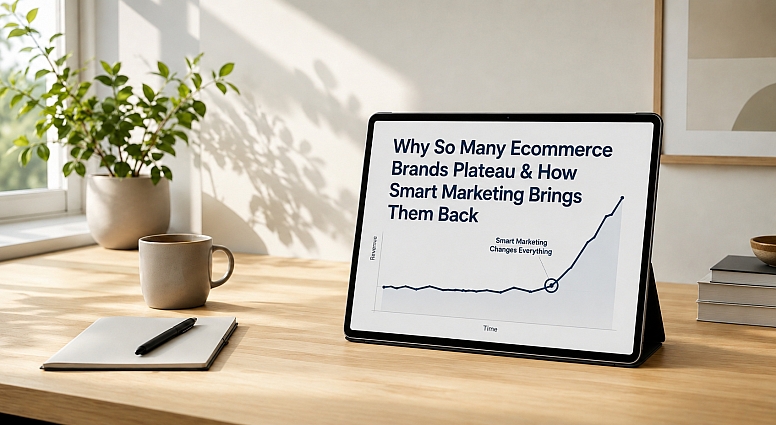
Why Ecommerce Brands Plateau & How Smart Marketing Can Help
In the fast-paced world of ecommerce, brands often experience a rollercoaster of growth; skyrocketing sales in the early stages, followed by a disappointing plateau. It’s not uncommon for brands to feel stuck, struggling to keep momentum and reach new customers. Understanding the reasons behind such stagnation and implementing effective strategies can make all the difference.
At the heart of reviving a brand’s fortunes lies the approach to customer engagement and outreach. Ecommerce businesses can benefit immensely from tailored marketing campaigns that resonate with their specific audience. These campaigns allow brands to tailor their messages to meet the unique needs of their customers, making advertising efforts more impactful.
To learn about how to harness these strategies effectively, consider collaborating with experts in the field, such as those at ClickSlice, who specialise in creating tailored marketing campaigns for online brands.
Common Reasons for Plateauing
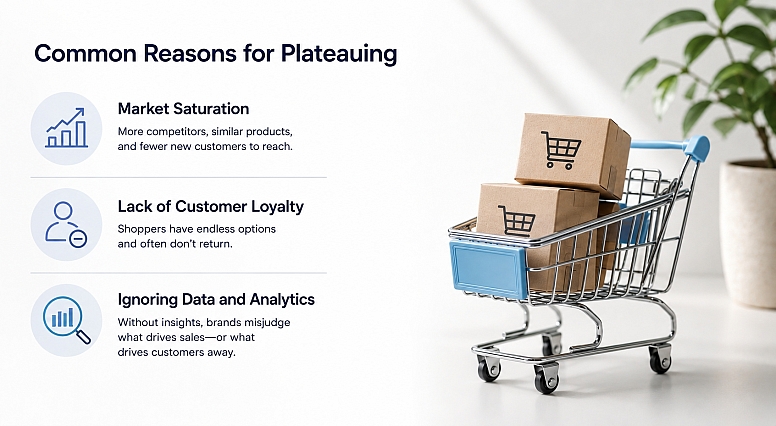
Saturation of Initially High Growth
Ecommerce brands often experience a rush of early enthusiasm. New products attract attention, word-of-mouth spreads, and social media interactions spike. However, as the novelty wears off, brands may find it increasingly difficult to maintain that growth rate. The market can become saturated with competitors offering similar products, and capturing attention becomes a daunting task.
Lack of Customer Loyalty
Another significant factor is the fleeting nature of online consumer loyalty. Shoppers have endless options at their fingertips, leading them to abandon a brand if they perceive better deals or products elsewhere. Without a solid loyalty programme or community engagement strategy, customers may not return after their initial purchase.
Ignoring Data and Analytics
Many ecommerce brands fail to analyse their sales data and customer behaviour effectively. Without insights into shopping trends, customer demographics, and product performance, companies can misjudge what drives their sales or what turns customers away.
Strategies to Reignite Growth
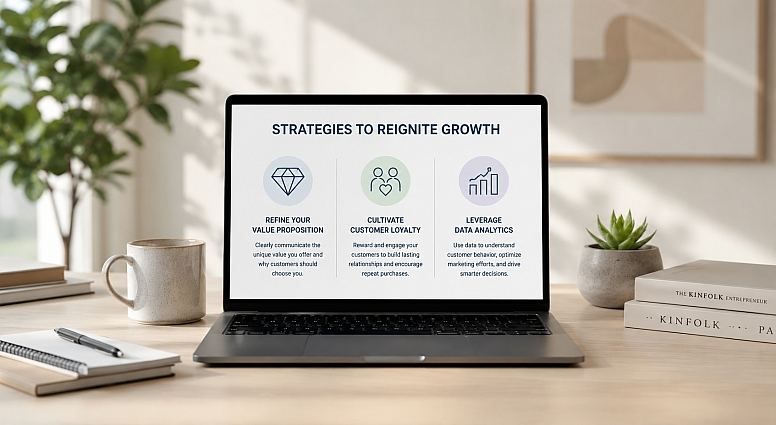
Refine Your Value Proposition
To stand out in a crowded marketplace, ecommerce brands need a compelling value proposition that clearly articulates why customers should choose them over their competitors. Whether it’s superior quality, affordability, or exceptional customer service, this message should be central to all marketing efforts.
Cultivate Customer Loyalty
Brands often overlook the power of customer loyalty when trying to scale. Implementing loyalty programmes that offer rewards for repeat purchases or referrals can make customers feel valued and encourage them to return. For example, well-known brands like Starbucks successfully utilise reward points to keep customers engaged and loyal.
Leverage Data Analytics
Data should be the lifeblood of marketing decisions. Understanding customer purchase patterns, preferences, and engagement rates allows brands to be more strategic in their outreach. Use tools like Google Analytics or specific ecommerce platforms to track and interpret this data. By knowing what drives conversions, brands can refine their marketing messages accordingly.
The Role of Smart Marketing
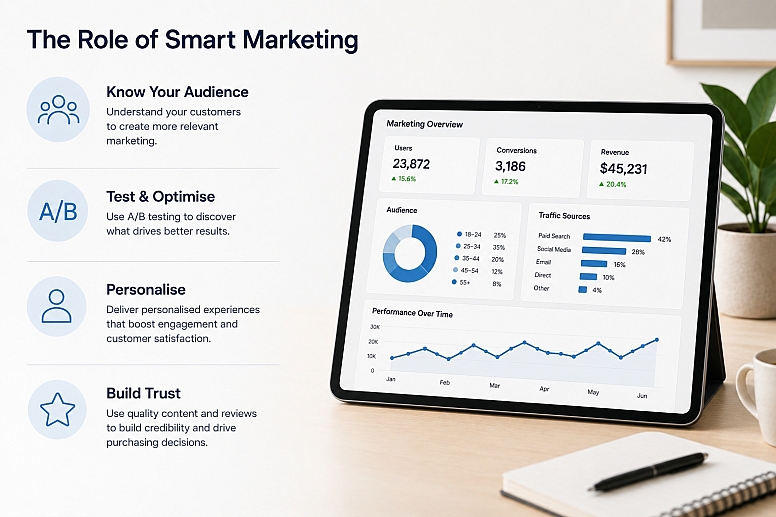
Segment Your Audience
Not all customers are created equal. Segmenting your audience based on their demographics, buying behaviours, or preferences enables you to craft more engaging and relevant marketing campaigns. For example, young consumers might respond better to social media advertising, while older demographics may prefer email marketing.
A/B Testing
Experimentation is crucial in discovering what resonates best with your audience. A/B testing different ad formats, subject lines, or website layouts can provide valuable insights into what generates more leads or sales. This data-driven approach allows brands to continuously optimise their efforts.
Personalised Marketing Efforts
Personalisation can significantly impact customer engagement and satisfaction. Simple measures, like addressing customers by their names in emails or suggesting products based on past purchases, can enhance the shopping experience.
Integrating technology, such as AI-driven recommendation engines, can also take your personalised marketing efforts a step further, providing a tailored shopping experience that can capture customers’ attention.
Invest in Quality Content
Content marketing remains one of the most effective ways to attract and engage customers. High-quality, informative content can position your brand as an authority in your niche and draw in organic traffic. Use blog posts, social media updates, and visual content to tell your brand's story and engage potential customers.
Social Proof & Reviews
With the sheer volume of options available, many consumers rely on social proof when making purchasing decisions. Encourage satisfied customers to leave reviews and showcase these testimonials prominently on your website and marketing materials. This establishes credibility and trustworthiness, making potential buyers more likely to convert.
Conclusion
The ecommerce landscape is ever-evolving, and while many brands experience a plateau, it doesn’t have to be a permanent state. By understanding the specific challenges that lead to stagnation and employing smart marketing strategies, brands can reignite growth and build meaningful connections with customers. From leveraging data analytics to implementing personalised campaigns, the tools are at your disposal; if you know how to use them effectively.
As ecommerce continues to grow, the importance of tailored marketing campaigns cannot be overstated. Brands that can evolve with their customers and make data-driven decisions are far more likely to break free from the plateau and achieve sustained success in the digital marketplace. Remember, the key lies not just in attracting customers, but in creating lasting relationships that keep them coming back time and again.




0.3374