



Free AI Essay Writer Tools for Fast & High Quality Writing
Finding a writing tool used to be simple; You’d search, pick one, try it, maybe stick with it if it worked. That was it.
Now it is not exactly complicated, but definitely more complicated. There are too many options, and most of them claim to do the same thing. Fast writing. Better quality. Less effort. You’ve probably seen all of that before.
And to be fair, some of them actually do help.
The problem is figuring out which ones are useful in a real way and which ones just look good on the surface. Because those aren’t always the same thing.
Some tools give you something that reads well but doesn’t really say much. Others feel a bit rough, but you can work with them. It’s not always obvious at first.
So instead of trying to rank everything perfectly, it makes more sense to just walk through a few that people keep coming back to. The ones that show up again and again, for better or worse.
Essay Humanizer
This one works a little differently compared to most tools. It’s not really trying to write everything from scratch. It’s more about taking something that already exists and softening it. Making it feel less rigid and less mechanical. That matters more than people expect.
Because a lot of AI-generated text isn’t wrong. It just sounds a bit too balanced. Too clean. Like every sentence was placed carefully instead of being written naturally. Essay Humanizer steps in at that point.
You give this essay writer something that already feels a bit off, and it adjusts the tone. Not perfectly. Sometimes it overdoes it, sometimes it misses things. But when it works, it brings back a kind of uneven rhythm that feels closer to how people actually write.
This tool is not a complete solution on its own. But as a second step, after generating or drafting something, it can make a noticeable difference.
ChatGPT
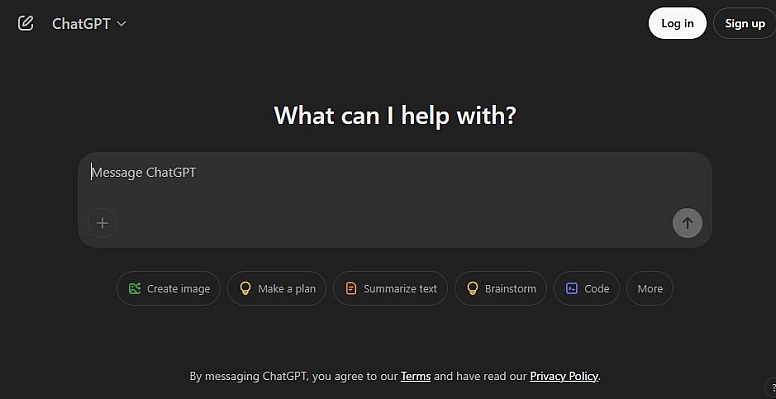
When it comes to any kind of writing AI, you can’t avoid ChatGPT. Not because it’s perfect, but because it’s flexible. You can use it to brainstorm, outline, draft, or just get unstuck when nothing is coming together.
Sometimes it gives you exactly what you need. Other times, not really. You might get something that looks right but feels generic once you read it again. That happens.
The difference usually comes down to how you use it. If you treat it like a shortcut, it will act like one. Quick, efficient, but a bit shallow.
If you push it a little, refine prompts, rewrite parts yourself, it becomes more useful. Still not flawless, but easier to shape into something that actually sounds like you. It’s less of a finished solution and more of a starting point.
Which, honestly, is how most people end up using it anyway.
Grammarly
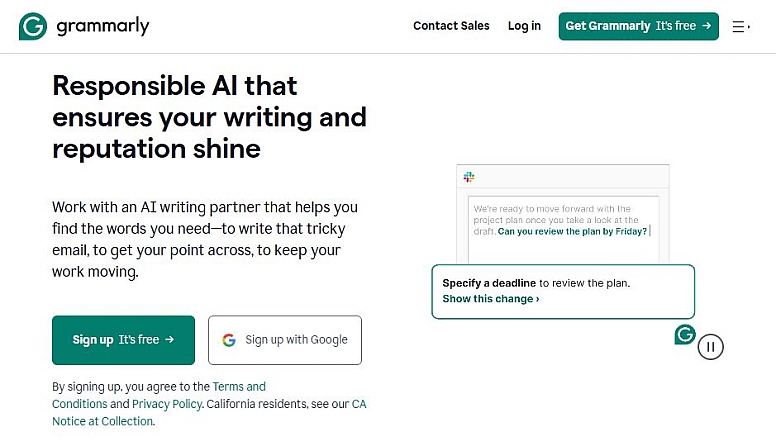
Grammarly helps more after the writing is done. This isn’t really an essay writer in the same way, but it still ends up being part of the process.
Usually toward the end.
You write something, read it back, feel like it mostly works, and then run it through Grammarly to clean things up. Grammar, tone, small adjustments.
Sometimes it suggests changes that make sense.
Sometimes it tries to fix things that weren’t really broken.
That part can get a little annoying if you follow everything it says without thinking about it.
But if you use it selectively, it helps.
Not with ideas, not with structure, just with making the final version a bit smoother without completely rewriting it.
QuillBot
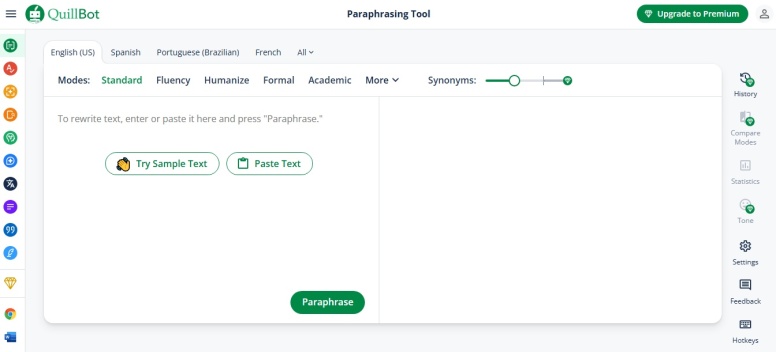
QuillBot is one of those tools that feels helpful immediately.
You paste something in, it rewrites it, and suddenly it looks different enough to use. Cleaner, sometimes clearer.
At first, that’s great. But after a while, you start noticing patterns. Certain phrases repeat. The tone starts feeling familiar in a way that’s hard to describe but easy to recognize.
That’s usually when it’s being used too much.
In smaller doses, it works well. Fixing awkward sentences, rewording sections that don’t quite flow.
But if you rely on it for everything, the writing starts to lose its shape a bit. It becomes consistent in a way that doesn’t always feel natural.
So it helps. Just not everywhere at once.
Jasper AI

Jasper AI is more structured than most tools in this space.
It gives you templates, workflows, and different modes depending on what you’re trying to write. Essays, blogs, marketing content.
That can be useful, especially if you like having a clear starting point.
But sometimes it feels a bit too guided. Like you’re following a path instead of figuring things out yourself. Which can be helpful in some situations, but limiting in others.
The output is usually solid. Just slightly predictable if you don’t change things up. So it depends on what you need. Structure or flexibility. It leans more toward structure.
Hemingway Editor
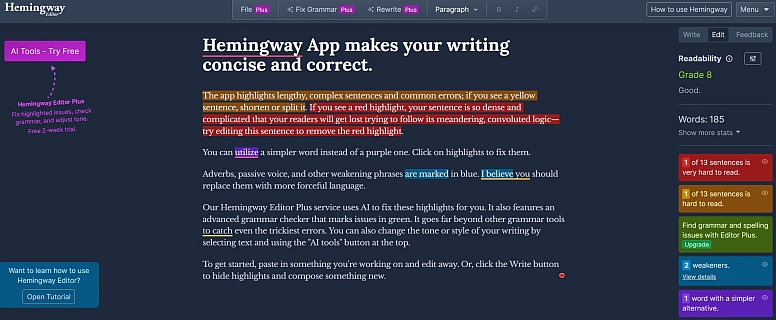
Hemingway Editor isn’t really about generating content at all. It’s more about simplifying what’s already there.
You paste your writing in, and it starts highlighting things. Long sentences. Complicated phrasing. Words that could probably be replaced with something simpler.
At first, it can feel a bit strict. Like it’s trying to cut down everything that gives your writing personality. But if you don’t follow every suggestion blindly, it becomes useful in a different way. It helps you notice when something is harder to read than it needs to be.
Not everything needs to be simplified, obviously. Some sentences are supposed to take their time. But when things start getting unnecessarily dense, Hemingway makes that easier to spot.
So it’s less about changing your writing completely and more about keeping it readable.
Scribbr

Scribbr leans a bit more toward academic writing compared to some of the others. It’s useful when structure matters more than anything else.
If you’re working on something that needs to follow a clear format, like essays with strict guidelines, it can help you stay within those boundaries without overthinking it too much.
This tool is not as flexible as tools like ChatGPT. But that’s kind of the point. It gives you a clearer sense of direction, especially if you’re unsure how to organise your ideas more formally. And sometimes that’s all you really need. Not inspiration. Just a way to keep things in order.
Writesonic
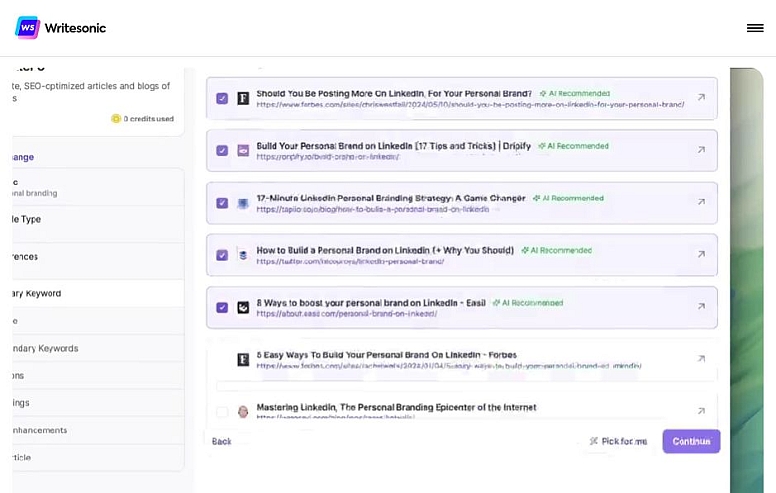
Writesonic focuses heavily on speed.
You type something in, and it generates content quickly. Usually faster than you expect. That can be helpful when you just need a starting point without spending too much time thinking about it.
The output is generally usable. But sometimes it feels a bit rushed. It got you halfway there, but didn’t fully settle into the idea.
That’s not necessarily a problem. It just means you’ll probably need to go back and adjust things a little. Add your own input, reshape parts, make it feel more complete.
So it works best when you treat it as a first draft rather than something finished.
No Tool Really Replaces the Process Completely
This is the part that doesn’t always get mentioned when people talk about these tools.
They help. Some more than others. They save time, reduce effort, and make writing feel more manageable. Especially when you’re stuck or don’t know where to begin.
But they don’t fully replace the process. Not the part where you figure out what you actually mean. Not the part where something doesn’t make sense, and you have to stop and rethink it.
That still has to come from somewhere. And if it doesn’t, the writing can feel a bit empty. Not wrong, just not fully there.
That’s why most people end up using a mix of things. A tool to start. Another to adjust. Then their own edits to bring it together in a way that feels right. It’s not a clean system, but it works.
Final Thoughts
There isn’t one “best” tool that does everything perfectly.
Some are better for starting. Some are better for refining. Some just help clean things up at the end.
And honestly, most students don’t stick to just one anyway.
They try a few, keep what works, ignore what doesn’t, and figure out their own way of getting through assignments.
That part hasn’t really changed. What has changed is how easy it is to skip certain steps.
The thinking, the drafting, the parts that take time. Tools make it possible to move faster, which is helpful. But it also means it’s easier to move through the process without fully engaging with it.
And that’s something worth paying attention to. Because in the end, it’s not just about finishing an essay quickly. It’s about understanding it well enough that, if you had to, you could still write it again, even without the tool open in another tab.







0.2263