



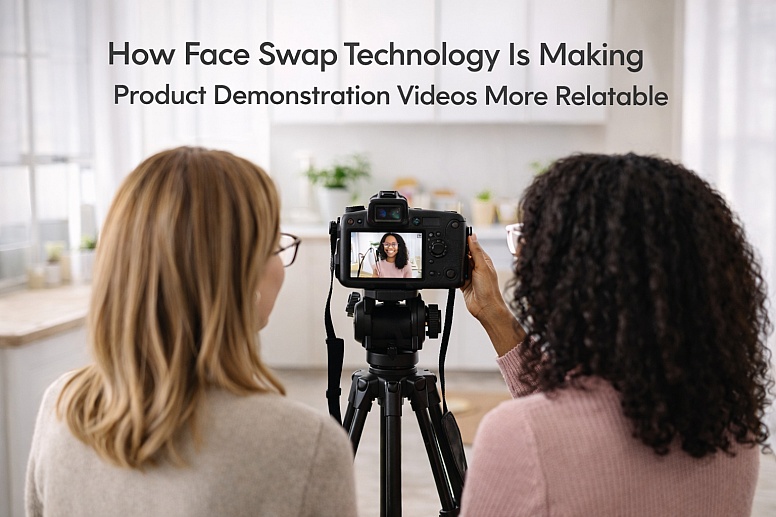
How Face Swap Technology Makes Product Demos More Relatable
Product demonstration videos are meant to build trust. They show how something works, what it looks like in real life, and why it matters to the viewer.
But there’s a gap that often goes unnoticed.
Most demo videos feature generic presenters or actors who don’t always reflect the audience watching them. The message may be clear, but the connection feels distant. Viewers understand the product, yet they don’t always see themselves using it.
That’s starting to change. A new wave of creative tools is helping brands rethink how product demos are presented. Instead of relying on one-size-fits-all visuals, marketers are now creating content that feels more personal and familiar.
Making Product Demos Feel Like They’re Made for the Viewer
Relatability is one of the strongest drivers of engagement in video content. When viewers recognize themselves in what they’re watching, attention increases and trust builds faster.
Traditional demo videos struggle with this because they are designed for broad audiences.
With tools like Face Swap, teams can tailor the human element of a demo video without changing the core content. A single product walkthrough can now be adapted to reflect different audiences by updating who appears in the video.
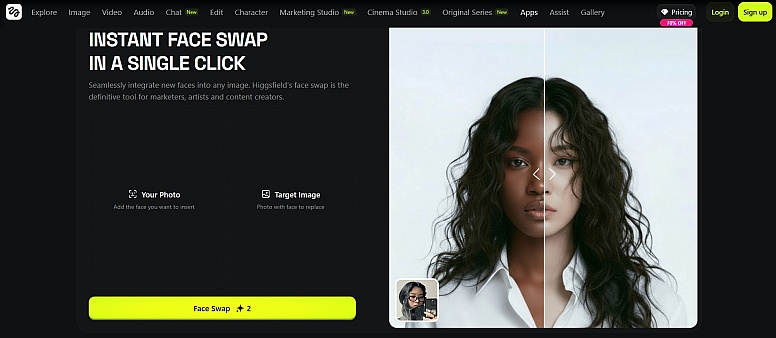
Video Face Swap ensures that facial movement, lighting, and skin tone remain consistent across frames. This allows the final result to feel natural, even during motion-heavy scenes.
Instead of creating multiple versions from scratch, marketers can build one strong demo and make it relatable across different audience segments.
Turning Generic Demonstrations into Personal Experiences
A product demo becomes far more effective when it feels personal. Viewers are more likely to engage when the person demonstrating the product feels familiar or relevant to them.
Face swap technology makes that possible at scale. It allows creators to adjust the identity within a video while keeping the environment, actions, and narrative intact. The result is a demonstration that feels tailored without requiring separate production efforts.
This approach aligns with how brands are thinking about Product demo; relatable face and character angle, where the focus is shifting toward creating experiences that resonate on a personal level rather than just explaining features.
Adapting One Demo Video for Multiple Audiences
Different audiences connect with different types of representation. A product aimed at a global market cannot rely on a single visual identity to communicate effectively with everyone.
Creating separate demo videos for each audience group is not always practical.
Face swap technology offers a way to adapt one base video into multiple variations. By updating the person in the frame, marketers can create versions that feel relevant to different demographics, industries, or user personas.
Character Swap extends this idea further by adjusting full character presence, including expressions and physical behavior. This helps maintain consistency between identity and performance, making the demo feel cohesive.
This flexibility allows brands to reach diverse audiences without multiplying production costs.
Building Trust Through Familiar Visual Context
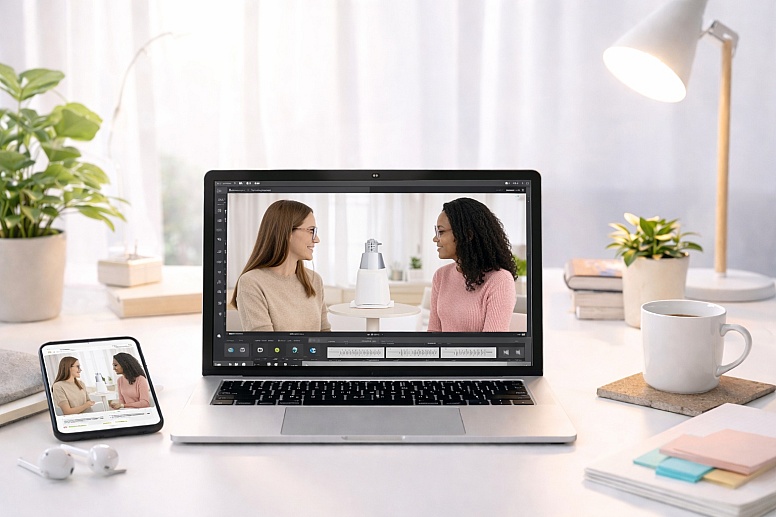
Trust plays a major role in how people respond to product demonstrations. Viewers are more likely to believe what they see when it feels authentic and relatable.
When the person demonstrating a product reflects the viewer’s own context, the message becomes easier to accept.
Face swap supports this by enabling subtle but meaningful changes in presentation. This sort of tool ensures that lighting and texture remain consistent, so the updated visuals blend naturally with the original footage.
This creates a sense of familiarity that enhances credibility without altering the core message of the demo.
Speeding Up Iteration for Marketing Teams
Product messaging often evolves. Features change, positioning shifts, and new audiences emerge.
Updating demo videos through traditional methods can slow down this process. Reshooting footage or re-editing entire videos takes time and coordination.
Face swap technology introduces a faster alternative.
Face swap technology also allows teams to update the visual layer of a demo without rebuilding the entire video. Adjustments can be made quickly, which makes it easier to test different approaches and refine messaging.
This speed gives marketers more flexibility in how they present their products.
Extending Demo Content Across Platforms
Modern product demos are not limited to a single format. They are used across websites, social media, ads, and presentations.
Maintaining consistency across these formats can be challenging.
Face swap tools help streamline this by enabling consistent identity updates across both images and videos. A demo created for one channel can be adapted for another without losing coherence.
The ability to export results into animation-ready formats also opens up additional possibilities for repurposing content.
For marketers looking to improve video performance, this insight on product video engagement highlights how effective demos can influence decision-making.
Making Product Stories Feel More Human

At its core, a product demo is not just about features. It is about showing how a product fits into someone’s life.
The more human that story feels, the stronger the connection becomes.
Face swap technology allows brands to bring that human element closer to the viewer. Face swap tech provides the tools needed to align visuals with audience expectations without adding complexity to production.
By focusing on relatability, product demos become more than explanations. They become experiences that viewers can imagine themselves being part of.
Conclusion
Product demonstration videos are evolving from generic presentations into more personalized experiences. Audiences expect content that feels relevant to them, not just informative.
Face swap technology is helping bridge that gap.
Face swap technology gives marketers the ability to adapt demos for different audiences, improve relatability, and create stronger connections without increasing production effort. By updating the human element within existing videos, brands can make their products feel more accessible and engaging.
For teams looking to make their demos stand out, this approach offers a simple but powerful shift. It turns product videos into something viewers don’t just watch, but connect with.






0.3061