



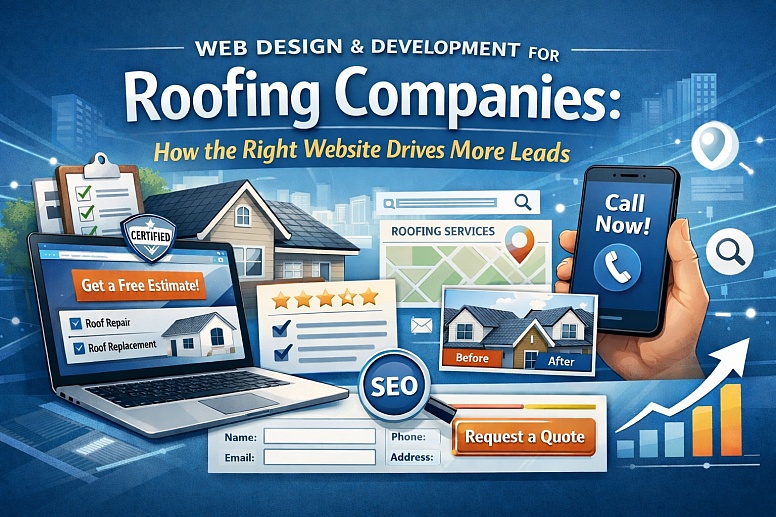
Web Design & Development for Roofing Companies
How the Right Website Drives More Leads
In today’s competitive digital world, roofing contractors can no longer rely solely on word-of-mouth referrals or local advertisements. Homeowners increasingly search online when they need roof repairs, inspections, or replacements. This shift makes a professional website one of the most powerful marketing tools for any roofing business.
A well-designed roofing website is more than just an online brochure—it works as a 24/7 salesperson that builds trust, showcases expertise, and converts visitors into customers. That’s why investing in web design & development for roofing companies is essential for contractors who want to stand out in a crowded market.
In this article, we’ll explore why roofing businesses need specialized websites, what features drive conversions, and how proper design and development strategies can help generate more qualified leads.
Why Roofing Companies Need a Professional Website
When homeowners search for roofing services, the first thing they often evaluate is a company’s website. A poorly designed or outdated site can instantly create doubt about the professionalism of the contractor.
Research shows that users often judge a company’s credibility based on its website design. A modern, clean, and user-friendly website immediately communicates reliability and professionalism.
For roofing companies, a website serves several key purposes:
- Showcasing services such as roof repair, installation, and maintenance.
- Building trust through reviews, certifications, and project photos.
- Generating leads through quote forms and call-to-action buttons.
- Improving visibility in local search results.
A professional website ensures potential customers see your company as trustworthy and capable before they even pick up the phone.
The Importance of Industry-Specific Web Design
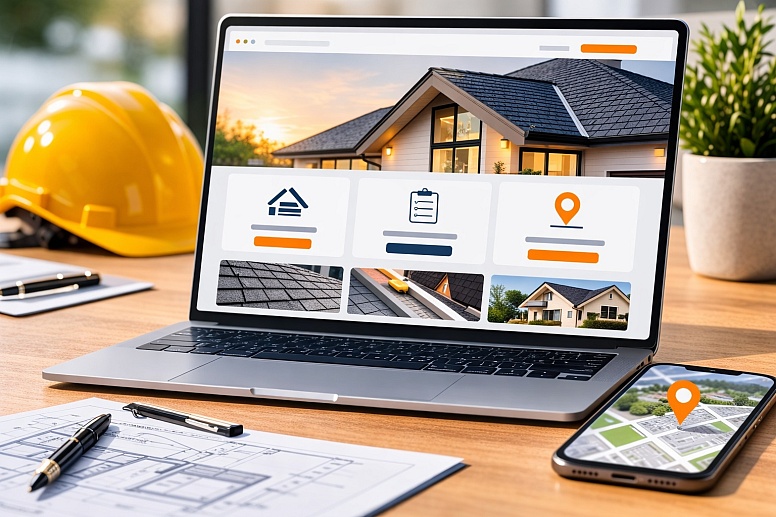
Not all websites are created equal. Roofing companies require websites designed specifically for local service businesses.
Unlike e-commerce stores or blogs, roofing websites must focus on converting visitors into phone calls and estimate requests. The structure, content, and layout should guide visitors toward contacting the company quickly.
Specialized web design & development for roofing companies focuses on:
- Clear service pages
- Strong calls-to-action
- Local SEO optimization
- Trust signals such as licenses and certifications
For example, service pages optimized with location-based keywords like “roof repair in [city]” help roofing businesses appear in local search results and attract nearby homeowners.
This targeted approach ensures the website works as a powerful marketing tool rather than just an informational page.
Essential Features of a High-Converting Roofing Website
A roofing website should be built with both usability and conversions in mind. Here are some essential features every roofing website should include.
- Mobile-Friendly Design: Most homeowners search for contractors on their phones. If a website doesn’t display properly on mobile devices, potential customers will leave within seconds.
Responsive design ensures the website works smoothly on smartphones, tablets, and desktops, providing a seamless user experience across all devices.
- Fast Loading Speed: Website speed plays a crucial role in user experience and search engine rankings.
Slow websites frustrate visitors and increase bounce rates. Even a one-second delay in loading time can significantly reduce conversions.
Optimizing images, using lightweight code, and reliable hosting help roofing websites load faster and keep visitors engaged.
- Clear Service Pages: Many roofing companies make the mistake of listing all services on one page. Instead, each service should have its own dedicated page.
Examples include:
- Roof repair
- Roof replacement
- Metal roofing installation
- Gutter installation
- Roof inspection
Dedicated service pages make it easier for visitors to find information and help search engines understand what the business offers.
- Strong Calls-to-Action (CTAs): A roofing website should guide visitors toward taking action.
Effective CTAs include:
- “Get a Free Estimate”
- “Schedule a Roof Inspection”
- “Call Now for Emergency Repairs”
These calls-to-action should be visible throughout the website to encourage visitors to contact the company.
- Customer Reviews and Testimonials: Trust plays a major role when homeowners choose a roofing contractor.
Displaying customer reviews, testimonials, and before-and-after project photos helps establish credibility and reassure visitors that the company delivers quality work.
Many successful roofing websites highlight:
- Google reviews
- Certifications and licenses
- Project galleries
- Customer success stories
These trust signals increase confidence and improve conversion rates.
SEO: The Foundation of Roofing Website Success
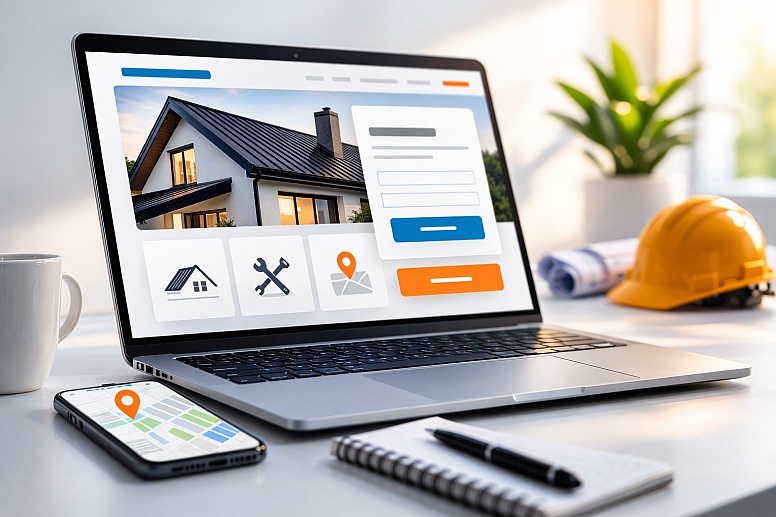
A visually attractive website alone is not enough. If people cannot find the website online, it will not generate leads.
Search engine optimization (SEO) ensures a roofing website appears when homeowners search for services such as:
- roof repair near me
- roof replacement services
- emergency roofing contractor
SEO strategies for roofing websites include:
- Local keyword optimization
- Proper title tags and meta descriptions
- Internal linking structure
- Local service area pages
- Schema markup
These elements help search engines understand the business and improve visibility in local search results.
To see how professional roofing websites combine SEO and conversion-focused design, check out this guide on
web design & development for roofing companies, which explains how optimized websites can attract more leads and grow roofing businesses online.
Local SEO and Service Area Optimization
Roofing is a location-based business. Customers typically search for contractors in their city or neighborhood.
That’s why local SEO is essential for roofing websites.
Effective strategies include:
- Creating city-specific service pages
- Embedding Google Maps
- Adding structured data for local businesses
- Linking the website with Google Business Profile
These steps help roofing companies appear in Google’s “map pack” results and increase visibility among local homeowners.
The Role of Conversion-Focused Website Design
Conversion optimization ensures website visitors take action.
Instead of simply presenting information, the website layout should guide visitors through a clear journey:
- Identify the problem (roof damage or leaks).
- Show expertise and credibility.
- Provide proof through reviews and projects.
- Offer an easy way to contact the company.
Elements that improve conversions include:
- Quote forms above the fold
- Sticky call buttons on mobile
- Click-to-call phone numbers
- Clear navigation menus
These small design improvements can significantly increase the number of leads generated from the website.
Common Mistakes Roofing Companies Should Avoid
Many roofing businesses struggle with ineffective websites because of common mistakes.
Some of the most frequent issues include:
- Outdated design
- Slow loading speed
- Lack of mobile optimization
- Missing service pages
- Weak calls-to-action
- Poor SEO structure
Fixing these problems can dramatically improve both search rankings and conversion rates.
The Future of Roofing Websites
As technology continues to evolve, roofing websites are becoming more advanced.
Some emerging trends include:
- AI chatbots for instant customer interaction
- Interactive project galleries
- Video testimonials
- Voice search optimization
- Advanced analytics and tracking
These features help roofing businesses better understand customer behavior and improve their marketing strategies.
A professional website is no longer optional for roofing companies—it is a critical part of modern business growth.
The right website design can:
- Build trust with potential customers
- Improve search engine visibility
- Generate more qualified leads
- Increase revenue and brand reputation
By investing in specialized web design & development for roofing companies, contractors can transform their websites into powerful lead-generation machines that attract customers and grow their businesses.
In a competitive industry where homeowners make quick decisions online, the roofing companies with the best websites often win the most projects.







0.1709