



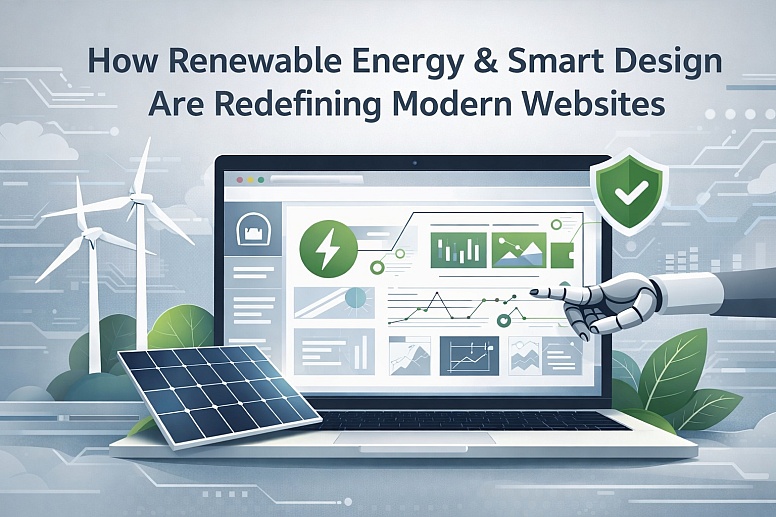
How Renewable Energy & Smart Design Are Redefining Websites
Across industries, sustainable tech brands are rethinking what it means to engage audiences online. As renewable energy gains mainstream attention, websites for solar products, eco-friendly appliances, and off-grid solutions need to reflect not only functionality but also style and credibility.
A key element in this shift is the growing demand for websites that showcase solar power stations effectively. These products range from compact units for essential electronics to higher-capacity systems capable of powering homes and offices. Digital presentation—through clear visuals, product demos, and interactive features—helps convey both sustainability and reliability to potential buyers.
Remote Work Era: Designing for Online Engagement
As more professionals shift to remote or hybrid work, websites become critical hubs for product information, e-commerce, and customer support. A poorly designed website can lead to missed sales, lost engagement, or frustrated visitors. For sustainable tech companies, intuitive navigation and responsive design are key.
Integrating tools such as live chat, product filtering, and energy calculators ensures users can explore solar solutions and smart home systems efficiently. Clear, branded visuals and compelling copy communicate reliability—critical for tech products that support both home and office environments.
Visual Design That Reflects Values
Modern sustainability brands emphasize aesthetics as much as functionality. Websites that feature clean layouts, natural color palettes, and lifestyle imagery reinforce a company’s eco-conscious mission. Large, custom visuals help convey both scale and attention to detail.
Companies like Printmoz allow brands to translate these visuals into real-world assets, from product packaging to promotional graphics. Consistency between digital and physical design strengthens brand identity and builds trust with customers.
Smart Technology and UX Awareness
Technological innovation shapes not only the products themselves but also how users interact with them online. Websites for energy solutions can integrate interactive tools, real-time product monitoring dashboards, and educational content about sustainable living.
UX design that incorporates feedback, progress trackers, or energy usage demos helps users understand complex products intuitively. The result is a digital ecosystem that supports both learning and engagement, driving conversions while educating visitors.
Preparedness Through Digital Strategy
Just as self-sufficient homes benefit from layered energy solutions, websites benefit from layered digital strategies. Combining strong visual storytelling, responsive design, SEO optimization, and clear CTAs ensures a website performs reliably under varying traffic conditions.
This approach not only improves user experience but also builds credibility for brands in emerging sustainable markets. Modern eco-tech websites are no longer just informational—they are immersive, interactive, and strategically designed to support business goals.
Emotional Engagement and Branding

Beyond usability, strong website design fosters emotional connection. Personalized visuals, branded color schemes, and well-crafted typography create trust and engagement. A visitor’s confidence in a brand is influenced as much by how a site looks and feels as by the products it offers.
For sustainable tech brands, combining thoughtful visuals with educational content emphasizes both innovation and responsibility, reinforcing a sense of reliability and professionalism.
The Future of Sustainable Tech Websites
Looking ahead, digital platforms will continue to evolve alongside renewable technologies. Interactive product demos, augmented reality previews, and smart UX features will allow brands to showcase their innovations more effectively. At the same time, consistent visual identity and accessible design will remain key to audience engagement.
By combining functional design, interactive tools, and thoughtful branding, websites can redefine how sustainable tech companies connect with their audiences—empowering both users and brands in a growing market.






0.1822