



How YouTube Analytics Tools Improve Video Performance
YouTube has become an important platform for creators, businesses, educators, and digital marketers looking to build an audience and share video content. However, publishing videos is only one part of growing a successful channel. Creators also need to understand how viewers respond to their content, which topics generate engagement, and where improvements can be made. Data-driven decisions can help transform a collection of videos into a more effective and consistent content strategy.
Tools that provide additional information about audience reactions can make this process easier. A YouTube dislike viewer can help creators examine dislike-related information and consider it alongside other engagement signals. When combined with broader analytics, this type of data can help creators understand audience sentiment and make more informed decisions about future content.
Why YouTube Analytics Matters
YouTube analytics provides creators with valuable information about how audiences interact with their videos. Metrics such as views, watch time, audience retention, likes, comments, and engagement rates can reveal which content performs well and which areas need improvement.
Looking at these metrics together is more useful than focusing on a single number. A video may receive thousands of views but have low retention, while another may attract fewer viewers but generate stronger engagement.
Understanding these differences helps creators develop content based on actual audience behavior rather than assumptions.
Understanding Audience Reactions
Every audience reacts differently to video content. Some viewers may enjoy a particular topic, while others may disagree with the message or find the presentation less useful.
Negative reactions should not automatically be considered a failure. They can provide clues about audience expectations, content quality, topic selection, or presentation style.
Creators can use these signals to identify recurring patterns and determine whether changes are necessary.
Why Dislikes Can Provide Useful Context
A dislike does not always indicate that a video is objectively poor. A viewer may disagree with an opinion, dislike the subject, expect different information, or simply prefer another style of presentation.
For this reason, creators should avoid judging content based only on the number of negative reactions. Comparing dislikes with views, comments, watch time, and retention provides more meaningful context.
This broader approach allows creators to understand audience sentiment without overreacting to individual responses.
Combining Multiple Engagement Signals
Successful content analysis requires a combination of metrics. Views measure reach, while watch time shows how long people consume the content. Audience retention indicates where viewers stay engaged or leave.
Comments can explain why viewers reacted in a particular way, while likes and dislikes provide additional sentiment signals.
By reviewing these metrics together, creators can develop a more complete understanding of video performance.
Learning From Negative Feedback
Negative feedback can sometimes highlight opportunities for improvement. If viewers repeatedly mention poor audio, unclear explanations, excessive video length, or misleading titles, creators can use that information to improve future uploads.
The key is to identify repeated patterns instead of reacting emotionally to individual comments or dislikes.
Constructive criticism can become a valuable resource for improving production quality and audience satisfaction.
Improving Video Content With Data
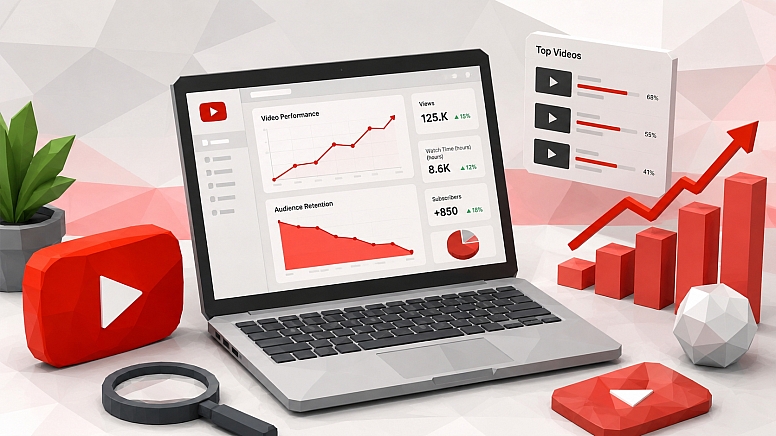
Creators can use analytics to test different approaches to content creation. They might experiment with video length, thumbnails, titles, introductions, topics, and publishing schedules.
Performance data can then reveal which changes produce better results. Over time, these experiments help creators understand their audiences more effectively.
Data-driven content creation does not replace creativity. Instead, it gives creators additional information that can guide creative decisions.
The Importance of Audience Retention
Audience retention is one of the most useful metrics for understanding video quality and structure. It shows how long viewers continue watching and can reveal points where people lose interest.
If many viewers leave during the introduction, creators may need to make their opening more direct. If retention remains strong throughout the video, the format may be working effectively.
Improving retention can increase watch time and strengthen overall channel performance.
Using Comments as Qualitative Data
Numerical analytics explain what happened, but comments can help explain why it happened. Viewers often provide direct opinions about the information, presentation, editing, or subject of a video.
Creators can review comments for recurring themes and suggestions. Positive comments can identify successful elements, while constructive criticism can reveal areas for improvement.
This combination of quantitative and qualitative information creates a stronger content strategy.
Building a Better YouTube Strategy
A successful YouTube channel requires consistency and continuous improvement. Creators should regularly review their performance and compare newer videos with previous uploads.
Identifying high-performing topics can help guide future content planning. At the same time, underperforming videos can reveal mistakes that should be avoided.
A long-term analytical approach helps creators build a strategy based on audience behavior rather than short-term trends.
How Digital Tools Support Content Creators
As the creator economy continues to grow, more digital tools are becoming available to simplify content research and performance analysis. These tools can help creators examine engagement, organize information, research topics, and understand audience behavior.
Using several complementary resources can save time and provide a broader perspective on channel performance.
The most effective approach is to use tools as part of a wider strategy rather than relying on a single metric or platform.
Choosing the Right Analytics Resources
Creators should consider their specific goals when selecting analytics and research tools. Some may need detailed channel statistics, while others may focus on audience sentiment, content research, or competitive analysis.
Ease of use, data reliability, privacy, and compatibility with existing workflows are also important considerations.
The right combination of resources can make content planning more organized and efficient.
YouTube success depends on more than views and subscriber numbers. Understanding audience behavior, engagement, retention, and feedback allows creators to make better decisions and continuously improve their content.
Tools that provide additional insight into audience reactions can complement YouTube's built-in analytics and help creators identify meaningful patterns. By combining these resources with thoughtful content planning, consistent publishing, and constructive feedback, creators can develop stronger channels and deliver videos that better meet the expectations of their audiences.







0.3488