



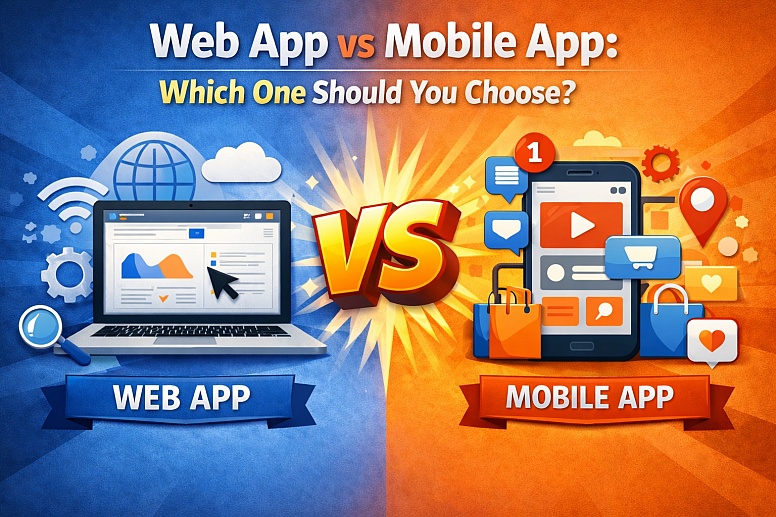
Web App vs Mobile App: Which One Should You Choose?
Today, businesses operate in a digital-first world, which no longer leaves room for not having an online presence. Whether a company is to engage customers, improve internal processes, or to extend its market reach, digital applications have become key tools for growth. Also, out of these, the greatest challenge that organizations face is whether to choose a web app or a mobile app.
Both of these technologies present great ways to interact with users, but in fact, they do differ in terms of functionality, accessibility, and also in how they play out for the business. A web app is what runs in a web browser and is accessible from any internet-enabled device. Users don’t have to download or install anything as the application runs right through the browser interface. This feature of the web apps makes them very accessible and easy to use.
Mobile, on the other hand, we see which of the applications are tailored for smartphones and tablets. They are installed by the user right onto the device, which also usually means a very personalized and improved user experience. Also, mobile apps have access to device features like the camera, GPS, notifications, and offline storage, which in turn makes them very interactive and the choice for any application that requires high user engagement.
Key Differences Between Web Apps and Mobile Apps
In what goes into the choice of a web app vs a mobile app, we see many variables play out, which include business goals, target audience behavior, and technical requirements. We see one of the main benefits of web applications is in their wide reach. As they go through the browsers’ network, they are accessible on any device and any operating system, which also means we do not have to develop for each platform separately.
Also, businesses are able to roll out updates at very short notice, which in turn has all users using the most recent version of the app. In the case of mobile applications, we see a different set of benefits. These apps are built specifically for mobile operating systems like Android and iOS, which in turn allows for a better and smoother user experience. Also, because they run directly on the device, they tend to load very fast and in some cases can function with very little internet connectivity.
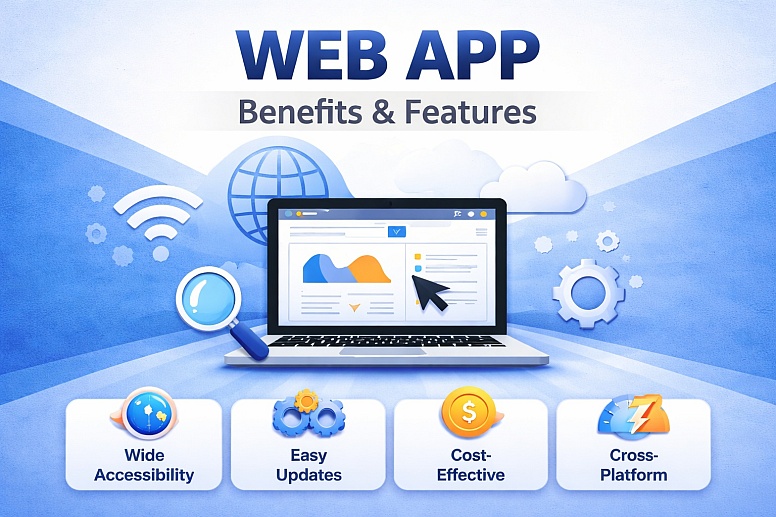
Another issue is the variable degree of development complexity and cost. We see that, in most cases of web apps, a single development process is enough as they function within a browser setting. This may, in turn, make them the better choice for companies that wish to put out a digital product to market fast. Many organizations get into web app development, which in turn they do so to create scalable solutions like customer portals, online management systems, or SaaS, which we use globally.
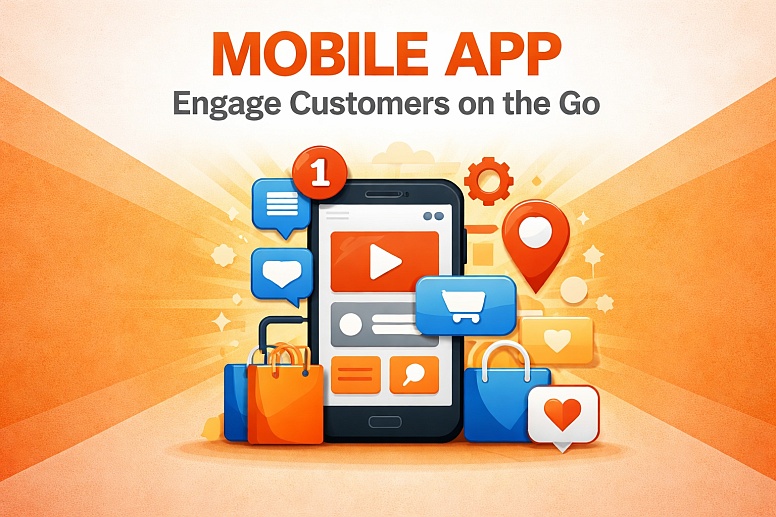
For mobile apps, we see that development is required for each platform, which in turn means businesses may have to create separate versions for Android and iOS. While that process may use up more resources, it also usually results in a very fine-tuned and engaging user experience. Companies that put great value on mobile interaction are to invest in professional mobile app development services USA to ensure.
Choosing the Right Option for Your Business
Selecting which platform to develop for, between a web app and a mobile app, should always tie in with what your company’s goals are and what your users want. We see that which of these platforms businesses choose often depends on the access we are willing to provide our users, and also the cost we are willing to put up for development.
Also play a large role in what we see out there in terms of info-based services, online dashboards, and systems that require us to update things very often. At the same time, we also see which industries do better with mobile apps; we are talking about companies that are looking to give their users a very personal and interactive experience.
It is in the world of e-commerce, entertainment, fitness, and on-demand services that we see large-scale use of mobile apps, as they give companies a chance to stay in touch and engage with their users very often through means like push notifications and personalization. Also, a thing to look at is the issue of scalability. What we find is that web apps can very easily grow as a business does because they work on centralized servers and cloud infrastructure.
In today’s digital world, both web and mobile applications are key players. Each platform brings to the table different benefits, which in turn meet the various business and end-user needs. Web applications do a great job of being accessible, flexible, and also we see they are easy to maintain. On the other hand, mobile apps we find have better performance and that they foster better interaction as well as very deep connections with our users, also integrating well at the device level.
It is also up to the business’s plan with which it wishes to engage with the public and what type of experience it wants to present to its audiences that will determine the right fit. By the time the business has set its goals, looked at how the end users behave, and looked into the tech requirements, it will be in a good place to pick out the option that will support its growth and success in the digital space.







0.2829