



7 Ways Packaging Design Can Improve Your Ecommerce Brand
In ecommerce, customers judge a brand long before they try the product they've purchased. They browse your website, place an order, and wait for it to arrive. When that package finally lands on their doorstep, the packaging becomes their first real-world interaction with your brand.
While businesses often invest heavily in websites, advertising, and social media, packaging design is sometimes treated as an afterthought. In reality, it plays a significant role in shaping customer experience. From protecting products during delivery to creating a memorable unboxing experience, thoughtful packaging can influence how customers perceive quality, professionalism, and trustworthiness.
Good ecommerce packaging does more than hold a product securely. It reinforces brand identity, creates positive emotions, and encourages customers to remember - and even recommend - a business. Whether you're running a Shopify store, building a DTC brand, or managing a growing online business, packaging deserves a place in your overall marketing strategy.
Here are seven ways packaging design can improve your ecommerce brand's customer experience.
1. Creates a Strong First Impression
First impressions happen quickly, and packaging is often responsible for making them.
The moment a customer receives a parcel, they begin forming opinions about the brand. Clean, well-designed packaging communicates professionalism and attention to detail before the product is even opened.
A strong first impression can help:
-
Increase confidence in the brand.
-
Make products feel more valuable.
-
Reinforce expectations created during the online shopping experience.
For premium products, elegant materials, subtle colours, or quality finishes can create a sense of exclusivity. Smaller ecommerce businesses can achieve a memorable presentation through thoughtful packaging choices without relying on expensive materials.
Simple touches such as neatly folded tissue paper, consistent colours, or well-organised product placement can make customers feel that extra care went into their order.
2. Builds Brand Recognition Through Consistent Design
Strong branding relies on consistency, and packaging is one of the most visible ways to achieve it.
When customers repeatedly receive orders featuring the same colours, typography, logo placement, and visual style, those design elements become easier to recognise. Over time, this familiarity strengthens brand identity and helps businesses stand out in competitive ecommerce markets.
A consistent packaging design often includes:
-
Brand colours across boxes and inserts.
-
Recognisable logo placement.
-
Consistent typography and messaging.
-
Matching visual elements across different product lines.
Many growing ecommerce brands use custom boxes with logo designs to create consistent branding across every customer delivery.
Consistency matters because customers may encounter your products in multiple places, including social media posts, product photos, influencer videos, and repeat deliveries. Matching packaging across these touchpoints creates a more cohesive ecommerce branding experience.
3. Improves the Unboxing Experience
The unboxing experience has become an important part of online shopping.
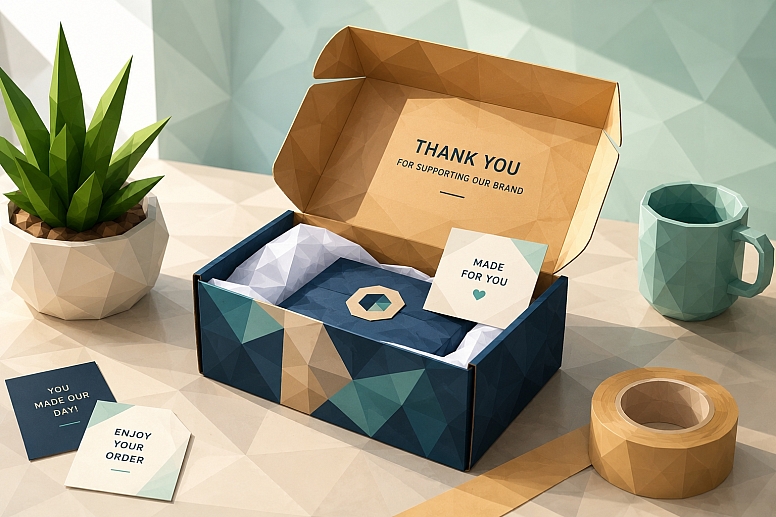
Customers increasingly share purchases on platforms such as Instagram, TikTok, and YouTube, where packaging becomes part of the story. A thoughtful unboxing experience creates excitement and encourages customers to engage with a brand beyond the purchase itself.
Packaging can enhance unboxing through:
-
Personalised thank-you notes.
-
Branded tissue paper or stickers.
-
Product information cards.
-
Carefully layered presentation.
-
Premium finishes or textures.
The goal is not necessarily luxury packaging. Instead, it's about creating a smooth and enjoyable opening experience that feels intentional.
A positive unboxing experience can also encourage:
-
Social media sharing.
-
User-generated content.
-
Positive reviews.
-
Higher likelihood of repeat purchases.
Even practical products benefit from packaging that feels organised and easy to open without unnecessary frustration.
4. Protects Products While Improving Customer Satisfaction
Attractive packaging means very little if the product arrives damaged.
One of the primary purposes of ecommerce packaging is protecting products throughout the shipping journey. Packaging design should balance visual appeal with functionality.
Well-designed product packaging helps reduce:
-
Shipping damage.
-
Scratches and dents.
-
Moisture exposure where appropriate.
-
Excess movement during transit.
Customers expect products to arrive in excellent condition. Damaged deliveries often lead to returns, complaints, refunds, and negative reviews.
Choosing packaging that fits the product correctly is equally important. Oversized boxes can increase movement inside the package, while undersized packaging may place unnecessary pressure on products.
Protective materials should complement the product rather than overwhelm it, creating a package that feels secure and professionally presented.
5. Helps Products Stand Out in Retail and Online Spaces
Packaging influences purchasing decisions both online and in physical stores.
For ecommerce businesses, packaging often appears in product photography, promotional campaigns, and customer-generated images. Visually appealing packaging can make products look more polished and increase perceived value during online browsing.
Benefits for online shopping include:
-
More attractive product photos.
-
Stronger visual branding in marketing materials.
-
Better presentation in customer reviews and social media posts.
For businesses selling through retail stores, packaging also competes for attention on crowded shelves.
Important retail packaging design elements include:
-
Clear branding.
-
Readable typography.
-
Distinctive colours.
-
Easy product visibility.
For brands selling through retail stores, custom printed display boxes can help products gain more attention by combining product visibility with strong brand messaging.
Effective retail packaging makes it easier for customers to notice products without overwhelming them with excessive design elements.
6. Supports Customer Loyalty and Repeat Purchases
Customer loyalty is built through consistent positive experiences, and packaging contributes more than many businesses realise.
Receiving a thoughtfully packaged order creates an emotional connection with the brand. Customers remember experiences that feel considered and enjoyable, even when purchasing everyday products.
Packaging can support loyalty by:
-
Reinforcing trust after every purchase.
-
Creating a premium perception.
-
Making repeat deliveries feel familiar.
-
Encouraging customers to recommend the brand.
Small details often make a difference. A thank-you card, care instructions, or a neatly organised package can leave customers with a lasting positive impression.
When customers associate a brand with reliability and quality presentation, they're often more willing to purchase again or recommend it to friends and family.
Packaging also helps maintain consistency between first-time buyers and returning customers, strengthening long-term relationships throughout the customer journey.
7. Reflects Your Brand Values
Modern customers often pay attention to how products are packaged, not just how they look.
Packaging design communicates brand values through material choices, presentation, and practicality. Businesses increasingly look for packaging solutions that balance appearance with responsible design decisions.
Examples include:
-
Using recyclable materials where appropriate.
-
Reducing unnecessary packaging layers.
-
Designing packaging that customers can reuse.
-
Choosing packaging sizes that better fit products.
Minimal packaging can communicate efficiency and simplicity, while carefully designed branded packaging can communicate craftsmanship and attention to detail.
Rather than making broad environmental claims, businesses should ensure any sustainability messaging accurately reflects their packaging choices. Transparency helps build trust and avoids creating unrealistic expectations.
Ultimately, packaging should align with the overall personality of the brand, whether that's minimalist, premium, playful, or practical.
Practical Packaging Design Ideas for Ecommerce Brands
Businesses don't always need a complete redesign to improve customer experience. Small improvements can make packaging feel more professional and memorable.
Consider these packaging design ideas:
-
Keep branding consistent across every package.
-
Choose packaging that fits products securely.
-
Include helpful product or care information.
-
Make packages easy to open without damaging contents.
-
Use colours and typography that match your brand identity.
-
Avoid unnecessary packaging that adds clutter or confusion.
The best ecommerce packaging combines functionality with visual consistency, creating a delivery experience that supports the brand rather than distracting from it.
Packaging is much more than a shipping requirement. It's an important part of the ecommerce customer experience and one of the few opportunities customers have to interact with your brand in the physical world.
Thoughtful packaging design helps create strong first impressions, strengthens brand identity, improves the unboxing experience, protects products during delivery, and encourages repeat purchases. It also allows businesses to communicate their values through consistent, practical design choices.
As ecommerce competition continues to grow, brands that treat packaging as an extension of their overall customer journey can create stronger, more memorable relationships with customers long after the initial purchase.




0.243