



Product Defects & Liability
[IMAGE]Typically, people associate wrongful death claims with road traffic accidents, medical negligence, or workplace incidents. However, defective products can also have tragic consequences. A seemingly ordinary household appliance, vehicle component, medical device, or consumer product can become dangerous if it contains a manufacturing flaw, a design defect, or inadequate safety warnings.
What Wrongful Death Lawyers Want You to Know
Wrongful death lawyers explain that a dangerous or defective product can claim the life of a loved one just as easily as any other act of negligence. Depending on the circumstances, liability may rest with the manufacturer, distributor, supplier, or retailer.
In many product liability wrongful death claims, it is not always necessary to prove negligence. Instead, the focus is generally on demonstrating that the product was defective and that the defect directly caused the fatal injury while the product was being used as intended or in a reasonably foreseeable way.
Defective vehicles, prescription drugs, medical devices, household appliances, children's products, and other consumer goods have all been involved in product liability claims. Where the law allows, surviving family members may have the right to seek compensation.
As more people research products online before making purchases, access to accurate safety information has become increasingly important. Websites that publish educational content about consumer products, recalls, legal rights, and product safety can help readers make informed decisions and better understand the potential risks associated with the items they use every day.
Staying informed about recalls, safety notices, and manufacturer guidance is one of the simplest ways consumers can reduce the risk of preventable injuries.
Understanding product defects
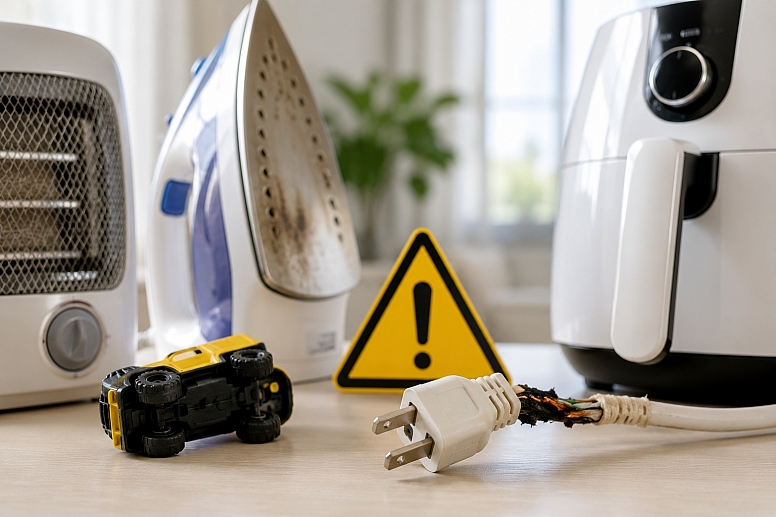
Lawyers generally classify product defects into three main categories that may give rise to a wrongful death claim.
-
Manufacturing defects: These occur when a product departs from its intended design during the manufacturing process, making it unsafe. Examples include defective tyres, faulty airbag inflators, contaminated medical devices, or improperly assembled consumer products. Although only certain batches may be affected, the consequences can be severe.
-
Warning defects: A product may be properly designed and manufactured but still be considered defective if it lacks adequate warnings or instructions. Prescription medications, for example, should clearly explain proper dosage, potential side effects, known risks, and situations in which the product should not be used. If these warnings are insufficient and the omission contributes to a fatal injury, surviving family members may have grounds to pursue a wrongful death claim.
-
Design defects: Some products are inherently unsafe because of flaws in their design rather than the way they were manufactured. A ladder that cannot safely support its intended weight or a vehicle with an unstable design are examples where the product may be considered unreasonably dangerous from the outset.
Understanding liability

Product liability laws vary depending on the jurisdiction. In California, for example, the legal system applies strict product liability principles, meaning responsibility may extend beyond the manufacturer to others involved in bringing the product to market. Depending on the circumstances, liability may include the manufacturer, distributor, wholesaler, retailer, or other parties within the supply chain.
This approach means that, in some situations, surviving family members may still be able to pursue compensation even if the original manufacturer is no longer operating, has filed for bankruptcy, or cannot otherwise be held directly responsible. Identifying all potentially liable parties and building a strong case often requires a detailed investigation and a thorough understanding of product liability law.
In successful cases, claimants may be able to recover compensatory damages, and in certain circumstances punitive damages may also be available. The outcome depends on the facts of each case, the available evidence, and the applicable law. Anyone seeking to better understand their legal options can consult HHJtrialattorneys.com or obtain advice from a qualified legal professional familiar with product liability claims in their jurisdiction.







0.2522