



How Do OEM Battery Packs Enhance Equipment Performance?
How OEM Battery Packs Enhance Equipment Performance comes down to fit. Equipment does not only need power. It needs the right kind of power at the right time without stress, heat problems, or sudden drops in performance.
A battery pack that is chosen too late in the design process can hold the whole product back. It may run the equipment, but not smoothly. OEM battery packs solve that problem by matching the battery to the machine’s real workload, space, safety needs and daily use.
That is where better performance begins.
What Are OEM Battery Packs?
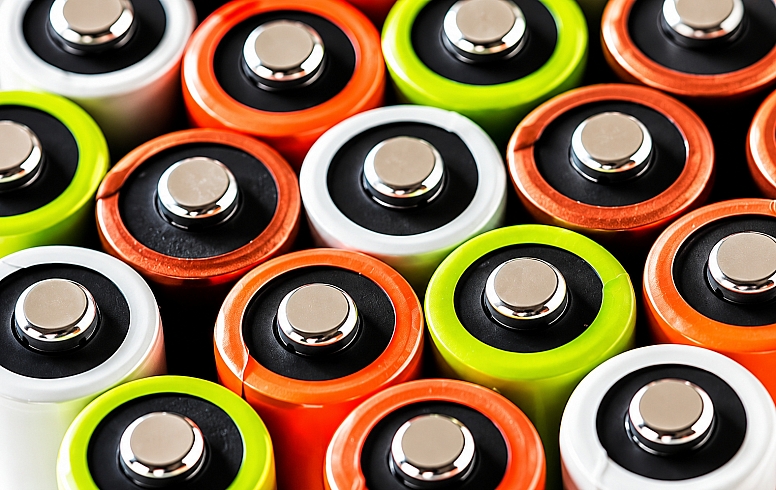
OEM battery packs are battery systems made for original equipment manufacturers. In simple words, they are built for the product instead of being forced into it later.
The pack may include lithium cells, wiring, casing, connectors, protection circuits, and a battery management system. Each part has a job. The cells store energy. The wiring moves power. The casing protects the pack. The management system watches temperature, voltage, and current so the battery can work safely.
A standard battery can be useful for basic needs. But equipment that runs every day needs more than “close enough.” It needs a pack that fits the design and the job.
Think about a medical cart, electric tool, home storage system, or warehouse scanner. Each one uses power differently. One may need quick bursts of energy. Another may need steady backup power for hours. Another may need a light battery so the device is easy to carry.
That is why OEM battery packs are not only about capacity. They are about behaviour. How does the pack charge? How does it handle load? Does it stay cool? Can it survive movement, vibration, and repeated use?
When those details are planned properly, the equipment feels more stable from the first day.
Key Ways OEM Battery Packs Enhance Equipment Performance
The biggest benefit is steadier power. Equipment often struggles when the battery cannot handle demand. Motors slow down. Screens dim. Sensors reset. Users lose trust.
An OEM pack is built around the equipment’s load. It can support normal use and sudden power demand more cleanly. That means fewer dips and fewer interruptions.
Runtime also improves when the pack is designed properly. This does not always mean making the battery larger. Sometimes it means choosing a better cell type, improving the pack layout, or matching discharge behaviour to the way the equipment is used.
Heat control matters too.
Now, if there's an issue with the batteries not being in ideal performance, they usually show signs of overheating and thus affect battery life. To add more, it's also the equipment around it.
A good OEM design looks at airflow, casing, cell spacing, and protection limits before the product reaches users.
OEM packs also help with fit. A bulky battery can make equipment awkward. A poorly placed battery can throw off the balance. This is especially important for handheld devices, portable medical equipment, mobility products, and power tools.
A strong OEM battery design can improve:
- Runtime during normal use
- Power delivery under load
- Charging speed and safety
- Temperature control
- Equipment balance
- Service life
- User confidence
A better battery does not make the equipment feel better by accident. It supports the way the equipment is meant to work.
Why Does Custom Battery Design Matter?
Custom design matters because real use is rarely gentle.
A device may be dropped. It may be charged in a hurry. It may sit in a hot room. It may run for longer than expected because the user forgot to recharge it. Equipment does not live in perfect test conditions.
This is where custom design earns its value.
The battery pack can be shaped around the product housing. The connectors can be chosen for repeated use. The casing can be made stronger for rough environments. The management system can be tuned around the right limits.
A company designing a customized home energy storage battery has a different challenge from a company making a scanner or robotic device. Home energy storage needs long cycle life, safety controls, stable backup power, and clear communication with the inverter. A handheld tool may need high discharge output and a tough casing. A medical product may need strict reliability and predictable runtime.
One design cannot fit all of them.
Custom battery planning also helps the final product feel more professional. The battery slides in properly. It charges without fuss. It does not rattle, overheat, or make the product feel unfinished.
Those details matter because users judge equipment by daily experience. If the battery gives trouble, they blame the whole product.
Industries That Benefit Most from OEM Battery Packs
As a whole, beneficial factor, your common OEM battery packs having a genuine example often aid you in any way regarding your equipment. However, it is also based on reliable portable or backup power. For you see, the industries that benefit most are usually the ones where downtime costs money, delays work, or affects safety.
Medical equipment is a clear example. Mobile carts, diagnostic devices, and portable treatment tools need dependable power. A weak battery can interrupt workflow and create stress for staff.
Industrial equipment also needs a strong battery design. Warehouses, factories, and field teams rely on devices that may run through long shifts. These products often face vibration, dust, movement, and frequent charging.
Robotics depends heavily on battery quality, too. A robot needs the right balance of runtime, weight, and discharge power. If the battery is poorly matched, the robot may move more slowly, stop early, or lose efficiency.
Energy storage is another major area. Backup systems, solar storage units, and small commercial storage products need battery packs that can handle repeated charge cycles over years.
OEM battery packs are also common in:
- Telecom backup systems
- Security equipment
- Electric mobility products
- Consumer electronics
- Power tools
- Smart home systems
- Emergency lighting
- Portable testing equipment
Each industry has its own power rhythm. That is why battery packs should be designed around actual use, not just technical numbers on a sheet.
What to Look for When Sourcing OEM Battery Packs?
Choosing an OEM battery pack supplier should not start with the cheapest quote. Despite the price being a valid matter, a poor battery choice can do more harm than good. In fact, it will result in a frail sort of performance while the expiry time wouldn't be worth the warranty date, based on the views of many dissatisfied customers experiencing it.
Now, there's a difference between a genuinely decent supplier, who should be asking careful questions before recommending anything. What equipment is being powered? How long should it run? What is the peak load? Where will it be used? How often will it charge? Does it need certification? Will the pack be replaced by the user or serviced by a technician?
If the supplier only asks for voltage and capacity, that is not enough.
A strong OEM battery partner should offer:
- Clear cell selection
- Proper battery management design
- Safety protection planning
- Thermal review
- Prototype testing
- Reliable casing and connectors
- Consistent production quality
- Support for certification needs
Testing is especially important. A pack may look good on paper and still fail in real use. Load testing, temperature testing, charging checks, and fit checks help catch problems before full production.
Long-term supply also matters. If the product will be sold for years, the battery pack must be repeatable. The supplier should be able to maintain quality, manage cell availability, and support design updates when needed.
The battery is not a side part. It is part of the product’s promise. If it fails, the equipment feels unreliable no matter how good the rest of the design is.
Conclusion
OEM battery packs enhance equipment performance because they are built around the machine’s real needs. They support steadier power, longer runtime, safer operation, and cleaner product design.
A well-matched battery pack helps equipment feel dependable in daily use. It reduces stress on the system and gives users fewer reasons to worry about power. For manufacturers, that means fewer performance complaints, better product value, and equipment that works the way it was meant to work.







0.1766