



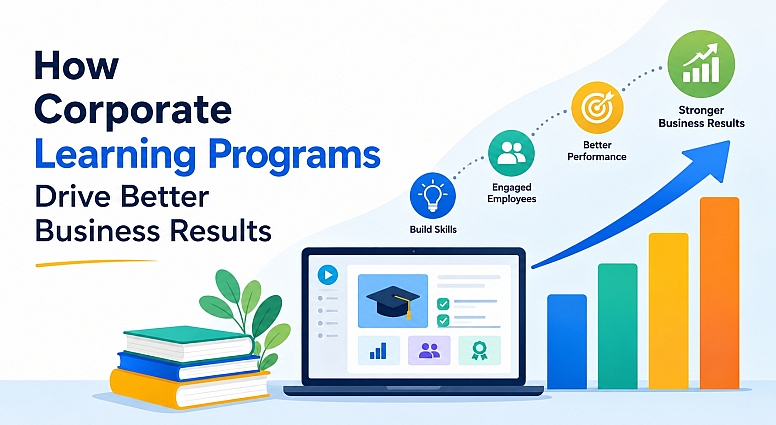
How Corporate Learning Programs Drive Great Business Results
Corporate learning programs now influence revenue, retention, compliance, and customer quality. Employees need practical instruction, clear skill paths, and timely feedback to perform with confidence. Strong programs connect development work with measurable goals, such as fewer errors, faster onboarding, and deeper leadership benches.
When training decisions reflect job demands, organizations reduce wasted effort and help teams make sound choices during daily work.
Centralized Learning
A structured learning hub provides leaders with a single source for courses, records, alerts, and evidence. Enterprises often review a corporate LMS (Learning Management System) because dispersed teams need consistent instruction across roles, locations, and departments. Central access shortens search time, clarifies assignments, and lets executives compare skill activity with operational goals without having to chase separate spreadsheets.
Faster Onboarding
New hires contribute sooner when onboarding follows a clear sequence. Early lessons should cover role expectations, product knowledge, policies, and team routines in digestible steps. Managers see where progress stalls, so coaching can arrive before uncertainty affects output. That structure reduces the need for repeated explanations and helps employees feel capable during the first few weeks.
Better Skills Data
Training records show where capability is strong and where gaps remain. Assessment scores, completion patterns, and manager notes can reveal risk across functions. Leaders can fund priority instruction rather than rely on assumptions. Clear evidence also helps human resources teams plan for succession, shape career paths, and match employees with roles that align with proven strengths.
Stronger Compliance
Regulated teams need accurate records and consistent instruction. Corporate learning programs document who completed the required courses, when refreshers are due, and which rules need extra attention. That reduces manual tracking and lowers audit exposure. Employees also receive aligned guidance, which helps prevent costly errors in safety, privacy, finance, and customer service.
Higher Engagement
People participate more when training feels useful, timely, and tied to daily responsibilities. Short lessons, role-based paths, coaching prompts, and practical exercises respect busy schedules. Recognition matters as well, since visible progress encourages continued effort. When employees see growth linked with career options, participation becomes a meaningful part of work.
Manager Impact
Managers turn learning into performance through steady follow-up. They can review progress, discuss new skills, and assign practice during regular check-ins. This approach creates accountability without heavy administration. Better manager involvement also shows training teams which content holds up under real workplace pressure. Supervisor feedback keeps programs grounded in operational needs.
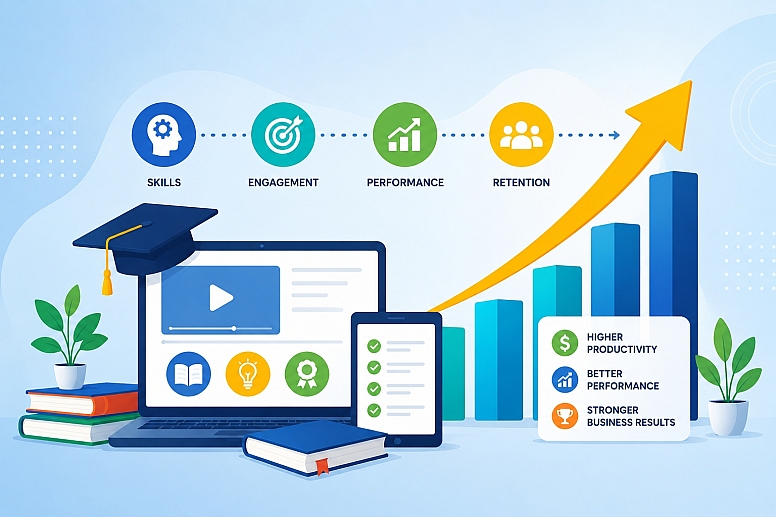
Productivity Gains
Well-run learning programs remove friction from routine work. Employees spend less time searching for answers, waiting for help, or correcting avoidable mistakes. Shared knowledge improves handoffs between departments. Over time, those small gains affect service speed, project quality, and operating cost. Leaders can then measure improvement through workflow data, not guesswork.
Customer Outcomes
Employee capability often shapes customer trust. Sales teams need precise product knowledge, support teams need calm problem-solving, and service groups need consistent procedures. Corporate learning programs create shared standards across these functions. Customers receive clearer answers and fewer mixed messages. Stronger internal knowledge can improve satisfaction, retention, and referrals.
Measuring Results
Measurement should connect the learning activity with business indicators. Useful metrics include time to productivity, error rates, compliance status, internal mobility, sales readiness, and customer feedback. Training leaders should compare results before and after program changes. This practice keeps investment focused on outcomes, not course volume. Reports carry more weight when tied to financial or operational goals.
Implementation Focus
Successful programs begin with defined priorities. Leaders should identify target skills, audience groups, content owners, and reporting needs before launch. Integrations with human resources systems can reduce duplicate work. The user experience must stay simple, since confusing tools weaken adoption. Regular reviews help teams remove stale material and improve the resources employees use.
Corporate learning programs drive better results when development connects with measurable business needs. Centralized delivery, credible data, manager follow-up, and clear reporting help organizations improve performance without adding needless friction. The strongest programs keep content practical, records accurate, and goals visible. When employees learn the right skills at the right time, companies gain capable teams, better service, and steadier outcomes.







0.3454