



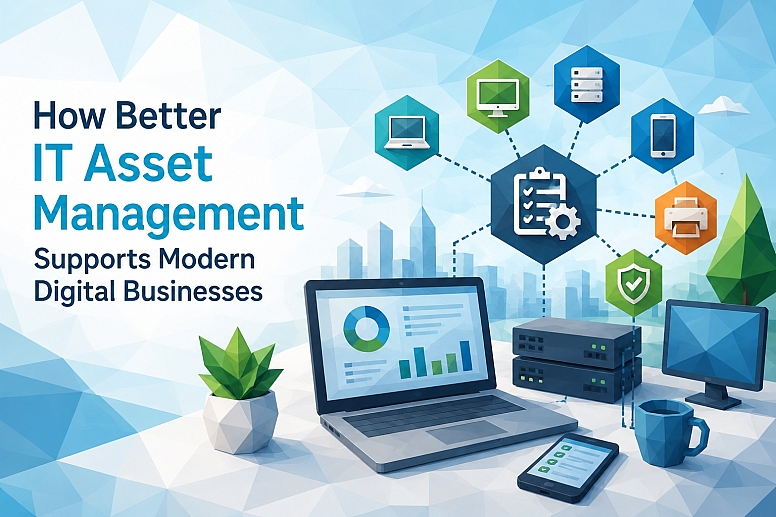
How Better IT Asset Management Supports Digital Businesses
Modern businesses depend on technology for almost every part of their daily operations. Laptops, smartphones, monitors, software subscriptions, networking equipment, and other digital resources help employees communicate, collaborate, and serve customers. As companies grow, however, managing these assets can become increasingly difficult. Remote employees, multiple offices, and frequent staff changes can make traditional spreadsheets and manual records unreliable.
A structured IT asset management strategy gives businesses greater control over their technology resources. It helps organizations understand what equipment they own, where it is located, who is using it, and when it needs maintenance or replacement. For digital-focused businesses and technology service providers, efficient asset management can also improve productivity, reduce unnecessary expenses, and strengthen internal processes.
Why IT Asset Management Matters
IT equipment represents a significant investment for most businesses. When companies do not maintain accurate records, they can lose track of devices, purchase unnecessary replacements, or continue paying for resources that employees no longer use.
A centralized asset management system provides a clear overview of company technology. IT teams can record devices, assign them to employees, monitor their status, and maintain important information throughout each asset's lifecycle.
This visibility makes daily administration easier while helping decision-makers make more informed technology investments.
Managing Equipment in Remote Work Environments
Remote and hybrid work have changed the way businesses distribute technology. Employees may receive laptops, monitors, mobile phones, keyboards, headsets, and other equipment while working from different locations.
Tracking these resources through email or spreadsheets can quickly become complicated. A centralized system makes it easier to maintain records regardless of where employees work.
Remote-friendly asset management also helps companies prepare for employee transfers, equipment replacements, and office changes without losing visibility into their inventory.
Simplifying Employee Onboarding
Technology plays an important role when new employees join an organization. They may require several devices and software resources before they can begin working effectively.
A well-organized asset management process allows IT teams to prepare equipment in advance and record which resources have been assigned to each employee.
This creates a smoother onboarding experience and gives businesses a clear record of company property from the beginning of an employee's journey.
Making Offboarding More Organized
Employee departures can create significant asset management challenges. Businesses need to recover company-owned equipment, update inventory records, and remove access to relevant systems.
Without accurate records, a company may struggle to determine which devices were assigned to a departing employee. This can result in missing equipment and unnecessary replacement costs.
A centralized approach makes it easier to review assigned assets, confirm returns, update their status, and prepare suitable equipment for future use.
Improving Asset Visibility
Good asset management depends on accurate and accessible information. Businesses should be able to quickly determine which devices are active, available, under maintenance, or ready for retirement.
Bluetally.com provides a centralized solution for businesses looking to organize IT assets and employee equipment more effectively. Having this information in one place can reduce administrative work and give teams greater visibility into their technology resources.
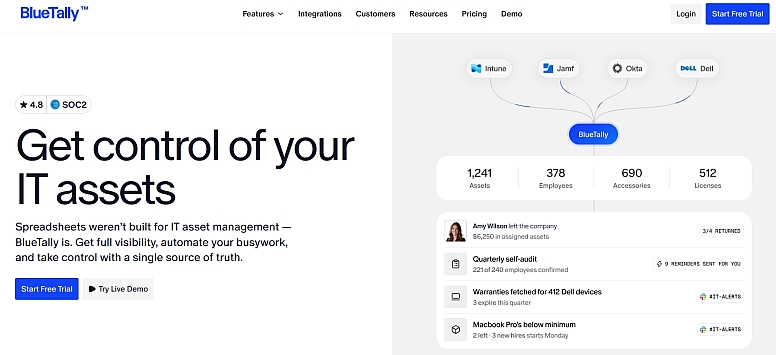
Better visibility also supports more accurate reporting and helps organizations identify gaps in their existing asset management processes.
Reducing Unnecessary Technology Costs
Poor inventory management can lead to unnecessary spending. A business may purchase new equipment simply because employees cannot locate existing devices or because inventory records are outdated.
Accurate asset information helps companies identify available equipment before approving new purchases. Organizations can also determine which devices can be reassigned, repaired, or upgraded.
This approach improves resource utilization and can reduce avoidable IT expenses over time.
Protecting Company Technology
Asset management also contributes to better security. Companies need to know which devices belong to their organization and which employees have access to them.
Maintaining accurate device records can help IT teams identify missing equipment, outdated hardware, and resources that require security updates. Businesses can also establish clearer procedures for reporting lost or stolen devices.
When asset management works alongside cybersecurity policies, organizations gain better control over their technology environment.
Tracking Software Resources
IT asset management is not limited to physical equipment. Software subscriptions and licenses can also require careful monitoring.
Businesses may use dozens of applications for communication, marketing, project management, accounting, design, and other functions. Without proper tracking, organizations can end up paying for unused subscriptions or struggle to determine which employees have access to particular tools.
Maintaining organized software records helps businesses control costs and manage access more effectively.
Creating a Complete Asset Lifecycle
Every technology asset moves through different stages. It may begin with procurement, move into active use, require maintenance, and eventually reach the end of its useful life.
Tracking this lifecycle gives IT teams better insight into when equipment needs replacement. It also helps businesses plan budgets instead of dealing with unexpected technology expenses.
A lifecycle-based approach can improve purchasing decisions and extend the useful life of suitable equipment.
Establishing Clear Asset Policies
Technology management works best when employees understand their responsibilities. Businesses should establish clear policies for using company equipment, reporting damage, protecting devices, and returning assets.
Employees should also understand what happens when they change roles or leave the company.
Clear policies combined with reliable asset records create greater accountability and reduce confusion around company-owned technology.
Choosing the Right Asset Management Approach
Businesses should evaluate their specific requirements before selecting an asset management platform. The number of employees, types of equipment, remote work arrangements, and existing technology infrastructure can all influence the right choice.
Ease of use is another important consideration. A complicated system may make it harder for employees and IT teams to keep information updated.
Organizations should also consider reporting, integrations, scalability, security, and automation when comparing available solutions.
The Role of Automation
Manual asset management requires employees to spend time updating spreadsheets, checking records, sending reminders, and reconciling information.
Automation can reduce many of these repetitive responsibilities. Automated workflows and notifications can help teams keep records current while reducing the possibility of human error.
This allows IT professionals to focus more attention on strategic projects rather than routine administrative work.
Building a More Efficient Digital Workplace
Effective asset management contributes to a more organized workplace. Employees receive the equipment they need, IT teams maintain better visibility, and managers can make informed purchasing decisions.
This becomes particularly valuable as businesses scale. A process that works for a small team may become difficult to maintain when an organization has hundreds of employees and multiple locations.
Establishing a reliable system early creates a stronger foundation for future growth.
Technology assets are essential to modern business operations, but managing them effectively requires organization and visibility. Businesses that track devices, software, assignments, and asset lifecycles can reduce unnecessary costs while improving accountability and operational efficiency.
A centralized IT asset management strategy also supports remote work, employee onboarding and offboarding, security, and long-term technology planning. By combining clear policies with suitable digital tools, organizations can gain better control over their resources and build a more efficient technology environment as they continue to grow.






0.208