



Why Investing in Professional Website Development Pays Off
A company's website is often its most important digital asset. Whether someone discovers a business through a search engine, social media, or a recommendation, the website is usually where they decide whether to contact the business or continue looking elsewhere.
A professionally developed website does more than showcase products or services. It improves user experience, supports marketing efforts, and helps businesses build trust with potential customers.
Investing in quality development from the outset can save time, reduce future costs, and create a stronger platform for growth.
Your Website Represents Your Brand
Visitors form opinions within seconds of arriving on a website. A slow, outdated, or confusing site may create doubt about the quality of the business behind it.
Creating a Positive First Impression
Professional design, consistent branding and well-organised content help visitors feel confident that they are dealing with a credible organisation.
Elements that contribute to a strong first impression include:
- Clear navigation
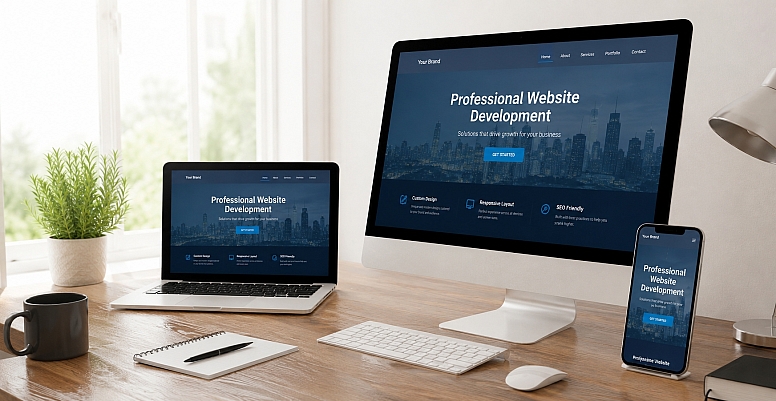
- Modern, responsive design
- High-quality imagery
- Fast-loading pages
- Easy-to-read content
- Obvious contact information
Every part of the website should reinforce the company's professionalism and values.
Building Trust
Customers are more likely to enquire or make a purchase when they feel confident in the business. Including customer testimonials, case studies, certifications and transparent contact details can strengthen credibility.
Trust also comes from reliability. Visitors expect pages to load quickly, forms to work properly and information to be accurate.
Focus on User Experience
A visually appealing website is only effective if visitors can easily find what they need.
Make Navigation Simple
Menus should be organised logically, allowing users to move naturally between pages without unnecessary clicks.
Important information such as services, pricing, contact details and frequently asked questions should be easy to locate.
Design for Every Device
Most businesses now receive a significant proportion of traffic from mobile devices.
Responsive development ensures that pages adapt smoothly to different screen sizes, maintaining usability whether someone visits from a desktop computer, tablet or smartphone.
Encourage Visitors to Take Action
Every page should guide users towards a clear next step.
Depending on the business, this could include:
- Requesting a quotation
- Booking a consultation
- Purchasing a product
- Completing an enquiry form
- Calling the business
- Downloading useful information
Clear calls to action help convert visitors into customers.
Support Long-Term Business Growth
Business requirements rarely remain the same for long. New services, additional locations and changing customer expectations all influence how a website should evolve.
Companies looking for a reliable website development agency Manchester should consider how well a development partner can build a website that supports future expansion as well as current objectives.
Flexible Content Management
Staff should be able to update pages, publish articles, and make routine content changes without needing technical expertise.
A user-friendly content management system reduces ongoing maintenance costs and allows businesses to keep information current.
Scalable Architecture
As businesses grow, they may wish to add:
- New service pages
- Online booking systems
- E-commerce functionality
- Customer portals
- Additional languages
- Location-specific landing pages
- Marketing integrations
Building with scalability in mind makes these additions much easier in the future.
Technical Performance Matters
Strong development provides benefits that visitors may never consciously notice, but they certainly experience.
Website Speed
Fast-loading pages improve user satisfaction and reduce the likelihood that visitors leave before viewing the content.
Performance can be improved through:
- Image optimisation
- Efficient coding
- Browser caching
- Reliable hosting
- Script optimisation
- Content delivery networks where appropriate
Regular performance testing also helps maintain speed as the website grows.
Security
Business websites should be protected against common security risks.
Good development practices include:
- HTTPS encryption
- Secure login procedures
- Software updates
- Regular backups
- Spam protection
- Secure form handling
Protecting customer information is essential for maintaining trust.
Accessibility
Accessible websites help ensure that people with different abilities can navigate and use the content effectively.
Simple improvements such as descriptive headings, readable fonts, sufficient colour contrast and keyboard-friendly navigation can improve the experience for a wider audience.
Integrating Business Systems
Modern websites often work alongside other business tools rather than operating independently.
Common integrations include:
- Customer relationship management systems
- Email marketing platforms
- Booking software
- Payment gateways
- Live chat
- Inventory management
- Analytics tools
- Social media platforms
Well-planned integrations reduce manual work and create smoother internal processes.
Supporting Search Engine Optimisation
Search engine optimisation begins with solid website development.
A technically well-built website makes it easier for search engines to crawl, understand and index content.
Important technical considerations include:
- Logical site architecture
- Clean URL structures
- Mobile responsiveness
- Fast page loading
- XML sitemaps
- Proper heading hierarchy
- Internal linking
- Structured metadata
These elements provide a strong foundation for future content marketing and SEO campaigns.
Choosing the Right Development Partner
Selecting a development agency involves more than comparing prices.
Businesses should evaluate:
- Relevant experience
- Communication style
- Development process
- Technical expertise
- Ongoing support
- Client testimonials
- Portfolio quality
- Project management approach
A collaborative relationship often leads to better long-term results than simply choosing the lowest quotation.
Planning for Ongoing Maintenance
Launching a website is only the beginning.
Regular maintenance helps ensure continued performance and security.
Routine maintenance may include:
- Software updates
- Security monitoring
- Broken link checks
- Performance optimisation
- Backup management
- Content updates
- Technical support
- Analytics reviews
Keeping a website well maintained protects the investment and improves the experience for future visitors.
Frequently Asked Questions
Why should businesses invest in professional website development?
Professional development creates a website that performs well, supports business objectives, provides a better user experience, and can adapt as the organisation grows.
How often should a business update its website?
Content should be reviewed regularly, while technical updates and security maintenance should be performed whenever required to keep the website secure and functioning properly.
Is mobile optimisation really necessary?
Yes. Many users browse and make purchasing decisions on mobile devices, making responsive design an essential part of modern website development.
Can a professionally developed website improve conversions?
A well-designed website with clear navigation, fast performance and effective calls to action can encourage more visitors to complete enquiries or purchases.
What should businesses prepare before starting a website project?
It is helpful to identify business goals, target audience, required functionality, existing content, branding materials, and examples of websites they admire before development begins.
A professionally developed website is more than an online brochure. It supports marketing, strengthens credibility, and helps businesses build lasting relationships with customers.
By investing in quality development, businesses can create a website that performs well today while remaining flexible enough to support future growth. Careful planning, strong technical foundations, and a focus on user experience ensure that the website continues delivering value long after it has launched.





0.4326