



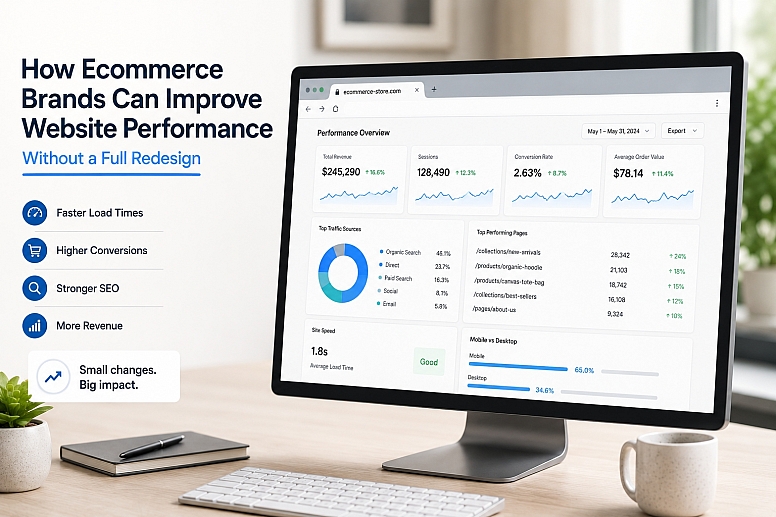
Improve Ecommerce Website Performance Without a Redesign
Many ecommerce brands reach a point where their website feels outdated, conversions are flat, and traffic is not turning into enough revenue. The first reaction is often to plan a full redesign.
But a complete redesign is not always the smartest first move.
A new website can help, but it can also create new problems if there is no clear strategy behind it. Search rankings may drop. High-performing pages may be removed. Product paths may change. Customers may struggle to find what they used to buy easily.
For many ecommerce brands, the better starting point is a focused website performance refresh.
This means improving the parts of the site that directly affect visibility, trust, conversion, and revenue without rebuilding everything from scratch.
Start With the Data, Not the Design
Before changing layouts, menus, colours, or product page designs, brands should review how the website is currently performing.
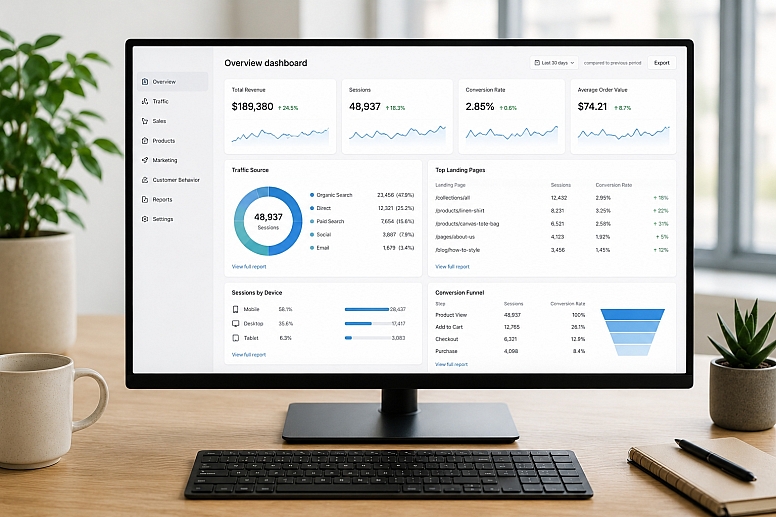
The most useful questions are often simple:
- Which pages bring the most organic traffic?
- Which product or collection pages drive sales?
- Where do users leave the site?
- Which pages get traffic but do not convert?
- Which pages load slowly?
- Which search terms bring qualified visitors?
This helps separate design opinions from real business issues.
For example, the homepage may look outdated, but the bigger revenue problem could be on product pages. Or the site may have strong traffic, but weak filtering, unclear product descriptions, or poor mobile navigation may stop users from buying.
A proper audit helps brands focus on the updates that matter most.
Improve Site Speed & User Experience
Speed is one of the first areas to review during a website refresh. Slow ecommerce websites create friction before the customer even sees the product.
Common causes include oversized images, too many apps or plugins, heavy scripts, poor mobile optimisation, and cluttered theme code.
Small improvements can make a noticeable difference. Brands can compress product images, remove unused apps, simplify popups, improve mobile navigation, reduce unnecessary scripts, and check checkout performance.
A faster site supports a smoother buying journey. It can also help SEO, paid media performance, and customer satisfaction.
Strengthen Product and Collection Pages
For ecommerce websites, product and collection pages often carry the most commercial value. These pages should do more than look good. They should answer buying questions quickly.
A strong product page usually includes a clear title, high-quality images, benefit-led descriptions, shipping details, return information, reviews, size guides, product specifications, and a clear call to action.
Collection pages also matter. Many brands treat them as simple product grids, but they can support both SEO and conversions.
Adding helpful copy, clear filters, internal links, and category information can make these pages more useful for both users and search engines.
Protect SEO Before Making Major Changes
One of the biggest risks during a website refresh is damaging existing SEO value.
Before deleting, merging, or changing pages, brands should review which URLs already bring traffic, backlinks, or revenue. These pages should be protected.
If URLs need to change, redirects should be planned carefully. Internal links should also be updated so users and search engines can move through the site easily.
Brands should avoid removing useful content just because it does not fit a new design. A better approach is to improve the content, update the layout, and keep the SEO value intact.
Review the Customer Journey
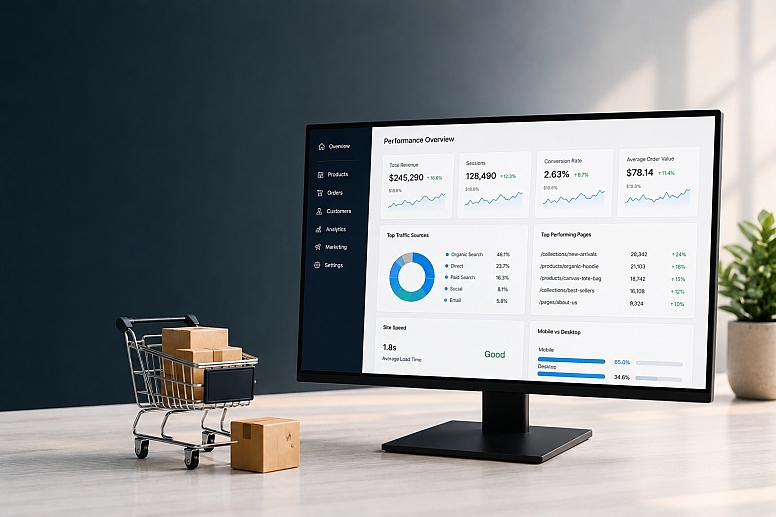
A website refresh should look at the full customer journey, not only individual pages.
- Can users understand the brand quickly?
- Are product categories easy to browse?
- Is the value proposition clear?
- Is the checkout process simple?
- Are trust signals visible before purchase?
- Are shipping, returns, and delivery details easy to find?
Small friction points can hurt conversion rates. A confusing menu, hidden return policy, weak product copy, or slow checkout page can all reduce sales.
The goal is to make the buying path feel clear, natural, and easy to follow.
Use CRO Before Guessing
Conversion rate optimisation, or CRO, helps brands improve the website based on user behaviour instead of assumptions.
This can include heatmap reviews, user recordings, A/B testing, form analysis, scroll tracking, and checkout reviews.
CRO can reveal simple but valuable improvements, such as moving key product details higher on the page, making buttons easier to see, rewriting unclear headlines, adding trust signals near checkout, simplifying product options, or improving mobile filters.
These changes may seem small, but they can have a direct impact on revenue.
Align Website Updates With Growth Strategy
A website should support the full ecommerce growth system. SEO, paid media, email, SMS, creative, and retention should not be treated as separate pieces.
For example, paid ads may send users to landing pages that do not match the ad message. SEO may bring users to collection pages that are not optimised for conversion. Email campaigns may promote products with weak product pages.
Before making major website changes, brands should work from a clear growth plan that connects SEO, conversion, paid media, and retention. Working with an ecommerce growth consultant can help founders avoid costly redesign decisions that look better but fail to improve revenue.
A full redesign can be useful, but it is not always the right first step.
Many ecommerce brands can improve performance by focusing on speed, SEO, product pages, collection pages, CRO, and the full customer journey.
The best website updates are not based only on appearance. They are guided by data, customer behaviour, and revenue goals.
Before rebuilding everything, ecommerce brands should ask a better question: what needs to change to make the website easier to find, easier to use, and easier to buy from?





0.2078